Manslaughter as a Misdemeanor
📅 2026 Update: Recent Changes in Manslaughter Laws
Since the original article on manslaughter was published, several significant updates have occurred in various states. These changes impact how manslaughter and related charges are defined and penalized. Readers can find further details in the article below.
⚖️ Colorado's New Charge
In 2026, Colorado introduced HB26-1281, which created a new charge of second-degree murder. This charge applies when someone causes a death with extreme indifference to human life but does not meet the criteria for first-degree murder. This change reflects a shift in how the state addresses serious offenses related to homicide.
📜 Updates in Florida
The Florida Senate updated Chapter 782, which governs homicide laws. This update includes new definitions and penalties for different degrees of murder and manslaughter. As a result, both victims and offenders will have clearer guidelines regarding the legal consequences of their actions.
🚗 Ohio's Clarified Penalties
Ohio clarified its laws concerning vehicular manslaughter in 2026. It is now classified as a second-degree misdemeanor. There are enhanced penalties for certain conditions, such as driving without a valid license or under suspension.
This change aims to hold drivers accountable while allowing for appropriate penalties.
🏙️ New York's Violent Felony Definitions
In 2025, New York revised its Penal Law § 70.02. This law now includes updated definitions for violent felony offenses, including classifications for first-degree manslaughter and aggravated manslaughter. These changes aim to provide a more accurate framework for understanding violent crime in the state.
📉 National Homicide Trends
From 2019 to 2020, the U.S. saw a notable 30% increase in its homicide rate. However, this trend began to reverse in 2022, and by 2025, the rate fell to 4.1 per 100,000 people, marking the lowest level since at least 1900. This national decline may influence local laws and public perception regarding homicide and manslaughter.
📌 Key Takeaways
- ⚖️ Colorado added a second-degree murder charge.
- 📜 Florida updated its homicide laws with clearer definitions.
- 🚗 Ohio has clarified penalties for vehicular manslaughter.
- 🏙️ New York revised its classifications for violent felonies.
- 📉 The U.S. homicide rate decreased to its lowest level in over a century.
💡 Tips for Understanding Manslaughter Laws
Reviewing the details of your own situation with an attorney is important.
🔍 Know Your State's Laws
Each state has different laws regarding manslaughter. It's crucial to familiarize yourself with the specific definitions and penalties that apply in your state, as they can vary widely.
📅 Be Aware of Recent Changes
Stay updated on the latest changes in laws, like Colorado's new charge for second-degree murder. Keeping informed can help you understand the legal landscape surrounding manslaughter.
🚗 Understand Vehicular Manslaughter
In states like Ohio, vehicular manslaughter is treated as a second-degree misdemeanor. Know the conditions that can lead to enhanced penalties, such as driving under suspension.
📜 Keep Track of Violent Felony Definitions
With changes in laws, like those in New York, it's essential to understand how violent felonies are classified. This can affect the severity of the charges and potential penalties.
📊 Monitor National Trends
Homicide rates can impact local laws and perceptions. Keeping an eye on national trends can help you understand how societal views on crime may affect legal outcomes.
🏆 Manslaughter Services Ranked by User Reviews (2026)
This section highlights services relevant to legal support in manslaughter cases. These services are ranked according to Trustpilot data as of October 2026. Ratings can change, and it's important to consider that unhappy customers tend to leave more reviews, which can skew perceptions.
🥇 1. Rev
Rev has been rated 4.6 on Trustpilot. It is known for its Investigative Intelligence Platform and Legal Transcription services. Users often appreciate the reliability of these services in the legal field.
However, some reviewers mention occasional delays in delivery.
🆓 Free Government and Nonprofit Help
The Council on Criminal Justice provides valuable reports and analysis on homicide trends, including victimization and offending by demographics. This resource can help you understand the context of manslaughter laws and trends in your area.
🔎 Factors to Consider
- 📍 Check for local service availability.
- 💰 Compare pricing and fees.
- 🏅 Look for user reviews and ratings.
- 📜 Understand the specific services offered.
- 🌐 Evaluate the expertise in homicide and manslaughter cases.
❓ Frequently Asked Questions
❓ What is the difference between manslaughter and murder?
Manslaughter typically involves a lack of intent to kill, while murder usually involves premeditation or intent. Different states define these terms uniquely, so it's important to review local laws.
⚖️ What are the penalties for involuntary manslaughter?
Under federal law, involuntary manslaughter can carry a maximum sentence of eight years in prison and a fine of up to $250,000. State laws may differ, affecting the penalties.
🚗 How does vehicular manslaughter differ by state?
Each state has its own laws governing vehicular manslaughter. In Ohio, for example, it is classified as a second-degree misdemeanor, with enhanced penalties in specific circumstances.
🏙️ What recent changes have occurred in homicide laws?
Recent updates include Colorado's new second-degree murder charge and Florida's revisions to homicide laws, which clarify definitions and penalties for various offenses.
📈 How have homicide rates changed in the U.S.?
The U.S. experienced a 30% increase in homicide rates from 2019 to 2020, but by 2025, the rate decreased to 4.1 per 100,000 people, the lowest recorded since 1900.
📜 What resources can help in understanding homicide trends?
The Council on Criminal Justice offers reports analyzing homicide trends, including rates and victimization details. This information can be valuable for understanding local and national contexts.
⚖️ Recent Cases Related to Manslaughter
Recent court rulings have highlighted various aspects of manslaughter laws and their applications. These rulings can impact how cases are prosecuted and the penalties involved.
- Pennsylvania court upholds dismissal of traffic offense appealSuperior Court of Pennsylvania · June 25, 2026
- Court affirms bad-conduct discharge for Marine HernandezNavy-Marine Corps Court of Criminal Appeals · June 26, 2026
- Court affirms conviction of Navy Seaman Funk ThompsonNavy-Marine Corps Court of Criminal Appeals · June 26, 2026
- Navy-Marine Corps Court affirms ruling in Castillomireles caseNavy-Marine Corps Court of Criminal Appeals · June 26, 2026
For more recent rulings, check out more rulings on the news page.
End of October 2026 Update
Misdemeanor manslaughter is a specific circumstance of involuntary manslaughter. It is difficult to describe in the abstract. Misdemeanor manslaughter is a killing that happens during the commission of a non-felony crime, or misdemeanor. A misdemeanor manslaughter lacks the degree of malice present in a felony murder charge. Whereas a felony murder occurs during the commission of a premeditated crime involving a violent component with a reasonable chance of harm occurring, a misdemeanor manslaughter charge covers any similar situation which lacks at least one of those elements.
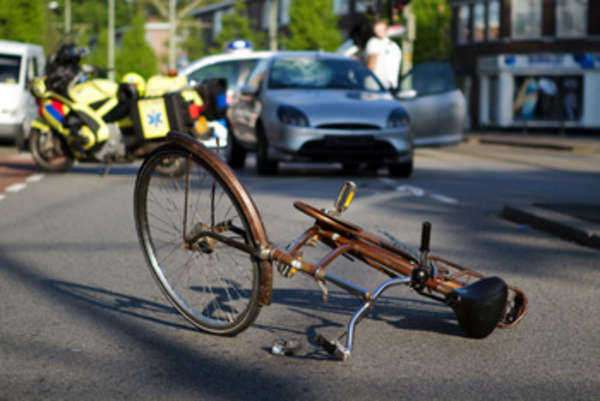
Karen may be charged with misdemeanor manslaughter if she throws a brick off of an overpass which hits a car driven by Sean. Sean loses control of the car and swerves into Brooke's car, which causes Brooke's car to go off of the road and strike a tree. If Brooke died as a result of hitting the tree, Karen may be charged with misdemeanor manslaughter.
A misdemeanor manslaughter charge would apply because it would be unreasonable to expect Karen to foresee Brooke's death in this example. If Sean had been killed by the brick, it is possible Karen could have been charged with murder due to negligence or a careless disregard for the consequences of her actions. Brooke's death, however, might be considered a sufficiently remote consequence of the misdemeanor of throwing the brick that a felony charge would be considered a cruel and unusual punishment under the Eighth Amendment.