Credit Card Fraud
📅 2026 Update: Changes in Credit Card Fraud Law and Protection
Since the original article on credit card fraud was written, there have been no significant updates in U.S. laws specific to credit card fraud. However, the landscape of services available for individuals concerned about fraud has evolved. The original article continues further down this page for more detailed insights.
🛡️ New Fraud Protection Services
As of October 2026, several new services have emerged that focus on identity theft protection and fraud monitoring. These services aim to help consumers stay safe from credit card fraud. While laws might not have changed, the tools available to combat fraud have improved considerably.
🔍 Increasing Awareness of Credit Monitoring
More people are now aware of the importance of credit monitoring. This awareness has led to an increase in the use of services that offer real-time alerts and fraud detection. Consumers are better equipped to respond quickly to potential fraud.
📈 Rise in Identity Theft Cases
Statistics show that identity theft remains a significant issue. Even though laws have not changed, the number of reported cases has increased, which highlights the ongoing need for effective fraud prevention measures.
📊 Review of User Ratings
Consumer feedback is becoming increasingly important in choosing fraud protection services. Companies are rated based on their customer satisfaction and effectiveness in preventing fraud. This is crucial for navigating the complex choices available today.
📌 Key Points on Credit Card Fraud
- 🛡️ Services for identity theft protection are expanding.
- 🔍 Awareness of credit monitoring is growing among consumers.
- 📈 Identity theft remains a significant issue without changes in legislation.
- 📊 User ratings are essential for choosing effective fraud protection.
💡 Tips for Protecting Against Credit Card Fraud
Review the details of your own situation with your attorney.
📱 Monitor Your Accounts Regularly
Check your bank and credit card statements often. Early detection of unauthorized transactions can help you take action quickly.
🔑 Use Strong Passwords
Create complex passwords for online accounts. Avoid using easily guessed information like birthdays or names to reduce the risk of unauthorized access.
🚨 Set Up Alerts
Many banks offer alerts for suspicious transactions. Enable these notifications to stay informed about activity on your accounts.
💳 Limit Sharing of Credit Card Information
Be cautious about where and with whom you share your credit card information. Only provide details to trusted sources to minimize the risk of fraud.
🔒 Consider Using a Digital Wallet
Digital wallets can add an extra layer of security. They often use encryption and tokenization, which can help protect your credit card information.
🏆 Credit Card Fraud Protection Services Ranked by User Reviews (2026)
This section lists various services focused on identity theft protection and credit monitoring, relevant to credit card fraud. The order is based on Trustpilot data as of October 2026, where ratings can fluctuate over time. It's important to note that star ratings may reflect more negative reviews since unhappy customers often leave feedback.
🥇 1. Experian
Experian has been rated 4.1. It is known for providing credit reporting, credit monitoring, and identity theft protection services. However, some users report inaccuracies in credit reports, and there can be variability in customer service response times.
🥈 2. LifeLock
LifeLock holds a perfect score of 5.0. This service specializes in identity theft protection and credit monitoring. Despite its high rating, some users find it expensive, and coverage may be limited in certain regions.
🥉 3. Uphold
Uphold averages a score of 4.5. It is recognized for digital wallet services, cryptocurrency trading, and cross-border payments. Users have reported issues with account verification, and transaction fees can be high for specific services.
4️⃣ Aura
Aura has a Trustpilot rating of 4.5. It offers identity theft protection, financial fraud prevention, and online threat defense. Some users have experienced delays in customer support response times, which can be frustrating.
🆓 Free Government and Nonprofit Options
While no specific free options were provided, there are generally government and nonprofit services available for credit monitoring and identity theft protection. These resources can help individuals seeking basic protection without the cost of commercial services.
🔎 Factors to Compare When Choosing Fraud Protection Services
- 🛡️ Range of identity theft protection features.
- 🔍 User ratings and reviews for reliability.
- 💳 Ease of use and access to customer support.
- 📈 Costs associated with various services.
- 🚨 Availability of alerts for suspicious activity.
❓ Frequently Asked Questions
❔ What should I do if I notice fraudulent activity?
Immediately report the unauthorized transactions to your bank or credit card company. They can help you take the necessary steps to secure your account.
🌐 How can I protect my personal information online?
Use strong, unique passwords and enable two-factor authentication whenever possible. This adds an extra layer of security against unauthorized access.
📉 Are there any financial penalties for credit card fraud?
Yes, individuals convicted of credit card fraud may face fines and restitution, depending on the severity of the crime and the amount involved.
🗒️ What is the process for disputing a fraudulent charge?
Contact your bank or credit card issuer to dispute the charge. They will provide the necessary steps and may require you to submit a written statement.
🕵️♀️ How can I check if my identity has been stolen?
You can check your credit reports for unfamiliar accounts or inquiries. Signing up for a credit monitoring service can also alert you to suspicious activity.
🏦 What legal protections exist against credit card fraud?
While specific laws may not have changed, existing laws provide protections against fraud, including the Fair Credit Billing Act, which limits liability for unauthorized charges.
⚖️ Recent Cases on Credit Card Fraud
Recent court rulings have addressed various aspects of credit card fraud. These cases explore the legal consequences and penalties for those involved in fraudulent activities.
- Court dismisses appeal in Tyson White incest caseCourt of Appeals of Georgia · June 8, 2026
- Massachusetts court revives negligent operation caseMassachusetts Appeals Court · June 8, 2026
- Georgia Court Affirms Conviction in Child Molestation CaseCourt of Appeals of Georgia · June 8, 2026
- Georgia Court Dismisses Rodger Dale Redden's AppealCourt of Appeals of Georgia · June 8, 2026
You can browse more rulings on the news page for recent cases.
End of October 2026 Update
What is Credit Card Fraud?
Credit card fraud is a broad term which can range from theft and fraud committed via the use of a credit card or a similar charge using any payment mechanism in a fraudulent manner. Individuals will commit credit card fraud for a number of reasons. The purpose may be to acquire goods without paying for them or to obtain unauthorized funding from a foreign account.
Credit card fraud is the use of a foreign party’s credit card without authorization. Credit card fraud is commonly held adjacent to identity theft. Typically when an individual commits credit card fraud they steal the same party’s identity to access the funds in the account.
When a credit card is stolen, it remains usable until the legitimate holder contacts and notifies the issuer (relevant bank or Credit Card Company) that card is lost. As a result of this function, credit card fraud is commonly committed when an individual steals or finds another person’s credit card.
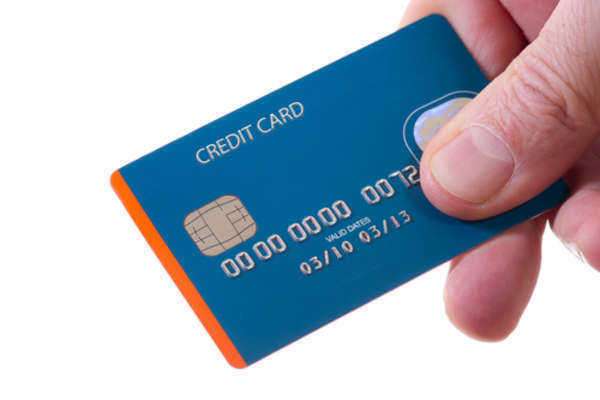
That being said, credit card fraud can also occur when the violating party steals the holder’s card account information. Account numbers and verification codes are stored in a number of formats and with our increased reliance on computer-based technologies hackers and thieves have increased access to such information.
Credit card fraud is a mounting problem in modern day society. Numerous characteristics play into this prevalence. Merchants rarely check the identification of a card user and the number of formats which hold this information have increased and become streamlined through the Internet. Common forms of credit card fraud also include counterfeiting credit cards and fraudulently acquiring credit cards through the mail.
Title 18 of the U.S. Code, Section 1029, provides a list of all penalties associated with “fraud and related activities in connection with access devices.” The term “access devices” refers to any means of illegal account access, including PIN numbers, credit cards and account numbers.
What to do if you are Accused of Credit Card Fraud
State and Federal law enforcement agencies can investigate and prosecute any credit card fraud case. For more serious matters aligned with threats to the Government or country, the United States Secret Service possesses primary jurisdiction to investigate all threats of severe credit card fraud.
Credit card fraud, in all capacities, is a considered a felony. As a result of this classification, the punishments attached typically involve jail sentences and enormous fines. Because of the seriousness associated with the crime, it is essential to contact a criminal defense attorney if you or a loved one has been alleged to commit credit card fraud.