Verbal Abuse
📅 2026 Update: Changes in Verbal Abuse and Related Laws
Since the original article on verbal abuse was written, there have been notable changes in the landscape of abuse reporting and protections. Recent statistics show a significant number of children are confirmed victims of abuse or neglect in the U.S. This update provides insights into current laws, reporting requirements, and available resources.
The earlier article continues further down the page, offering foundational information on verbal abuse.
📊 Child Abuse Statistics
In fiscal year 2024, more than 532,000 children were confirmed victims of abuse or neglect across the United States. This translates to a rate of 7.2 victims for every 1,000 children. This number shows the ongoing challenge of protecting children from verbal and other forms of abuse.
📑 Mandatory Reporting
Mandatory reporters, such as teachers and healthcare professionals, are required to report suspected cases of abuse or neglect. They must inform state child protective services or law enforcement agencies immediately or within a specific timeframe. This requirement helps ensure that cases are investigated promptly.
🕒 Investigation Procedures
States are required to have clear procedures for investigating reports of child abuse and neglect. This includes specific protocols for handling allegations of child sexual abuse and exploitation. The goal is to provide a thorough and sensitive approach to such serious matters.
🏥 Support for Vulnerable Adults
The Elder Justice Act, part of the Affordable Care Act, aims to protect vulnerable adults from abuse, neglect, and exploitation. This includes defining abuse and providing federal funding for programs designed to support and safeguard older adults.
📌 Key Points Summary
- Over 532,000 children confirmed victims of abuse in 2024.
- Mandatory reporters must report suspected abuse.
- States have protocols for investigating abuse reports.
- The Elder Justice Act offers protections for vulnerable adults.
- Resources are available for both child and adult abuse victims.
💡 Tips for Understanding Verbal Abuse
It is important to go over the details of your own situation with your attorney. Understanding verbal abuse can help in recognizing signs and knowing the appropriate steps to take.
🔍 Recognize Verbal Abuse
Verbal abuse can take many forms, including insults, threats, and constant criticism. Being aware of these behaviors can help identify when someone is being verbally abused.
📞 Report Suspected Abuse
If you suspect a child or vulnerable adult is experiencing verbal abuse, it is crucial to report it to the appropriate authorities. Mandatory reporting laws are in place to ensure that such cases are investigated.
🛡️ Know Your Rights
Victims of verbal abuse have rights that protect them under various state and federal laws. Understanding these rights can empower victims to seek help and take action.
🧠 Seek Support Services
Various organizations offer support services for victims of abuse. These can include counseling, hotlines, and legal assistance. Utilizing these resources can provide vital help and guidance.
📚 Educate Yourself
Staying informed about the signs of verbal abuse and the legal frameworks surrounding it can be beneficial. Education can help individuals recognize the impact of abuse and promote healthier relationships.
🏆 Services Ranked by User Reviews (2026)
This section reviews services that provide support related to abuse cases, including legal consultations and document preparation. The services listed are ranked based on Trustpilot data from October 2026. Ratings can change over time, and star ratings reflect customer feedback, though they may not represent every user's experience.
🥇 1. 1StopLegalAI
1StopLegalAI holds a Trustpilot score of 4.5. It is known for providing document preparation and attorney referrals, which can be helpful for individuals dealing with abuse cases. However, it is important to note that it is not a law firm and offers services limited to document preparation and referrals.
🥈 2. Atticus
Atticus has a strong Trustpilot score of 4.9. It specializes in assisting with disability benefits, workers' compensation, and VA benefits guidance. While Atticus is well-regarded for its support in specific benefit areas, it may not cover all legal needs related to abuse cases.
🆓 Free Government and Nonprofit Help
The Administration for Children & Families provides resources for victims of abuse and neglect through its Child Welfare Information Gateway. Adult Protective Services (APS) agencies in each state also offer support for vulnerable adults facing abuse.
🔎 Considerations for Choosing Services
- 📝 Service Type: Determine what type of support you need, whether it’s legal assistance or counseling.
- ⭐ User Ratings: Look at Trustpilot scores and reviews to gauge customer satisfaction.
- 📅 Response Time: Consider how quickly the service can respond to urgent needs.
- 💰 Costs: Evaluate if the services fit within your budget, especially if fees vary by state.
- 📍 Specialization: Check if the service specializes in the type of abuse you are dealing with.
❓ Frequently Asked Questions
❓ What is verbal abuse?
Verbal abuse involves using words to cause emotional harm. This can include insults, threats, and humiliation directed at an individual.
⚠️ How can I report suspected abuse?
You can report suspected abuse to state child protective services or law enforcement agencies. Mandatory reporters are required to report immediately or within a specified timeframe.
🤔 What protections do vulnerable adults have?
Vulnerable adults are protected under the Elder Justice Act, which defines abuse and provides federal funding for support programs. These protections aim to safeguard against neglect and exploitation.
👩⚕️ Who are mandatory reporters?
Mandatory reporters include professionals like teachers, healthcare workers, and social workers. They are legally required to report any suspected cases of abuse or neglect.
📖 What are the consequences of child abuse?
Child abuse can lead to severe emotional and physical harm. It can also result in legal consequences for the abuser, including criminal charges and loss of custody.
🏢 Where can I find support for abuse victims?
Support for abuse victims can be found through local organizations, hotlines, and government agencies. Resources like the Administration for Children & Families can provide guidance and assistance.
⚖️ Recent Cases Related to Verbal Abuse
Recent court rulings have addressed various aspects of verbal abuse, including definitions and consequences in legal contexts. These cases highlight the seriousness of verbal abuse and the legal protections available to victims.
- Ohio Court dismisses habeas corpus petition by inmate GrayOhio Court of Appeals · June 15, 2026
- Ohio Court upholds life sentence for aggravated murder caseOhio Court of Appeals · June 15, 2026
- Ohio Court upholds consecutive sentences for RamirezOhio Court of Appeals · June 15, 2026
- Ohio Court of Appeals rules on Jerry Birt's appeal for new trialOhio Court of Appeals · June 15, 2026
For more information, feel free to browse more rulings on the news page.
End of October 2026 Update
What Counts as Verbal Abuse?
Verbal abuse is best thought of as an emotional environment that is ongoing that is created by an abuser to the abused, most often for the point of maintaining control. One of the primary underlying factors in the dynamics of a relationship with verbal abuse is the fact that the abuser has low self-esteem or opinions for him or herself. Because of this, the abuser tries to put their victim in a lowered position to make them believe similar things through a warped projection.
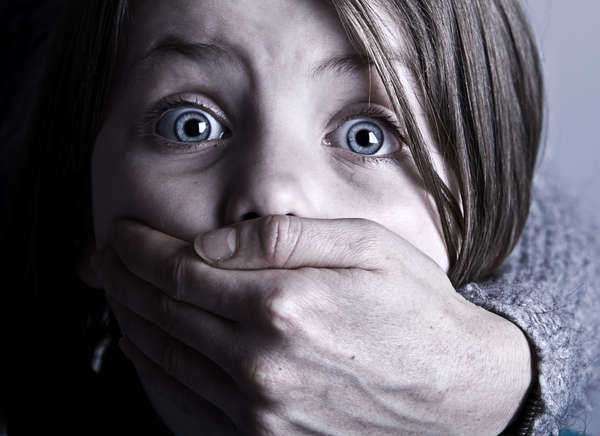
Verbal abuse can include:
• accusing
• berating
• blaming
• blocking
• bullying
• countering
• defaming
• defining
• discounting
• diverting
• harassing
• insulting
• interrogating
• lying
• name-calling
• putting down
• raging
• taunting
• threatening
• trivializing
• withholding
• yelling
Some examples of verbal abuse include:
• Control by telling a victim how to feel and what to think while refusing to understand the victim’s perspective. The abuser may object verbally in a violent way to the victim’s desires or inions.
• Withholding support, affection, information or money and denying it when the abuser is confronted.
• Isolating a victim by blocking outside relationships to family and friends. The abuser works tries to convince the victim that the only person who truly cares about the victim or likes the victim is the abuser. Occasionally, the verbal abuser may be willing to admit to this behavior, and agrees to end it, but the behavior tends to quickly restart.
Verbal abuse can happen to any person of any race, gender, sexual orientation, culture, size or age. It is seen most often in is especially prevalent in marital relationships. Most often, the intensity of verbal abuse will increase over time and can even escalate to a point where it becomes physical abuse as well.
Often in a relationship with intense verbal abuse, the victim often suffers from very low self-esteem along with low self-worth. Because of the verbal abuse, a victim can easily fall into post-traumatic stress disorder or even clinical depression.
Despite verbal abuse being one of the more common forms of abuse, it is normally not considered to be as seriously as other forms of abuse, since no visible proof comes out of verbal abuse. However, verbal abuse can sometimes be more harmful to the individual’s well-being than physical abuse.
If verbal abuse starts at a young age, it can contribute greatly to borderline personality disorder, narcissistic personality disorder, codependency, and many other psychological disorders that often continue on into adulthood.
Individuals who feel they are being verbally attacked by an abuser regularly should try to get professional counsel and get out of the hurtful environment as much as possible. Staying in an environment with a verbal abuser is extremely damaging for a person's well-being.