Don't Get Caught Underage Drinking!
📅 2026 Update: Recent Developments in Public Order Offenses
Since the original article was published, several important changes have occurred related to public order offenses and their legal implications. New legislation has been introduced, and settlements have emerged that impact how these offenses are handled. The earlier article continues further down the page, providing foundational knowledge on underage drinking and its legal consequences.
⚖️ New Legislation: COPS Act Introduced
On June 26, 2025, the Curbing Offenses on Policing Services (COPS) Act was introduced in the U.S. House of Representatives. This bill, proposed by Representative Tony Gonzales, aims to increase penalties for assaults on federal officers.
The goal is to enhance protections for law enforcement personnel, especially during civil disturbances.
🏛️ Ongoing Settlement: Mississippi Police Department
In October 2026, the U.S. Department of Justice reached a settlement with the Lexington Police Department in Mississippi. This settlement mandates reforms to address systemic civil rights violations, including excessive force and discriminatory practices.
The reforms are expected to be implemented over a three-year period.
💰 Current Penalties for Offenses
Individuals convicted of federal civil disorder offenses can face fines up to $250,000 under 18 U.S.C. § 232. Likewise, those convicted under federal riot laws can face similar fines. These hefty penalties highlight the serious nature of public order offenses.
📋 Eligibility and Applicability of New Laws
The COPS Act specifically targets individuals who assault, resist, or impede federal officers and employees. This focus emphasizes the government's commitment to protecting law enforcement during civil unrest. Federal civil disorder laws apply to incidents involving three or more people engaging in violent acts that threaten public safety.
📌 Key Points to Remember
- ⚖️ COPS Act aims to increase penalties for assaults on federal officers.
- 🏛️ Settlement with Mississippi Police Department mandates systemic reforms.
- 💰 Federal civil disorder and riot penalties can reach $250,000.
- 📋 COPS Act targets those who impede federal officers.
- 🏙️ Civil disorder laws involve violence by groups of three or more.
💡 Tips for Understanding Public Order Offenses
Reviewing the specifics of your situation with an attorney is essential for understanding the implications of public order offenses.
🔍 Know the Definitions
Understanding the definitions of terms like "civil disorder" and "riot" is crucial. Under federal law, these terms apply to public disturbances involving three or more people that cause immediate danger or injury.
📜 Explore Local Laws
Public order laws can vary by state. Familiarizing yourself with state-specific laws on disorderly conduct and rioting can help you understand the potential penalties you may face.
🆓 Seek Legal Aid
If you face charges related to public order offenses, consider contacting local legal aid organizations. They provide free or low-cost legal representation for individuals who cannot afford an attorney.
⚠️ Be Aware of Penalties
Penalties for public order offenses can range from fines to imprisonment. Knowing the potential consequences can help you navigate the legal landscape more effectively.
🏛️ Stay Informed on Legislative Changes
Legislation related to public order offenses can change. Staying updated on new laws, like the COPS Act, can inform your understanding of the legal environment.
🏆 Services Ranked by User Reviews (2026)
This section highlights services that provide legal assistance, particularly in the context of public order offenses. The list follows Trustpilot data checked in October 2026, which reflects user feedback and experiences. Scores can fluctuate, and it's essential to consider that unhappy customers often leave more reviews, which can affect overall ratings.
🥇 1. Rocket Lawyer
Rocket Lawyer has been rated 4.5 stars. It is known for providing affordable legal services, including online legal document creation. However, some users express concerns about subscription models and unexpected charges, which may impact their experience.
🥈 2. LegalZoom
LegalZoom holds a 4.6-star rating. This service is recognized for its online legal document preparation and business formation services. While many users praise its efficiency, some report delays in processing times, which could be a consideration for those needing timely assistance.
🥉 3. LegalShield
LegalShield has a rating of 4.4 stars. It offers legal subscription services that give access to a network of attorneys. Users appreciate the convenience but note challenges in reaching assigned attorneys directly, which could affect the resolution of legal matters.
🆓 Free Legal Aid Options
Individuals facing public order offenses may seek help from local legal aid organizations or public defenders' offices. These options offer free or low-cost legal representation, providing valuable support for those who cannot afford private legal services.
🔎 What to Compare When Choosing a Legal Service
- 📄 Types of legal documents and services offered.
- 💰 Cost structures and any potential hidden fees.
- ⏳ Processing times for legal documents.
- 📞 Accessibility of customer support.
- 🌍 Availability of services in your state or region.
❓ Frequently Asked Questions
❓ What is considered a public order offense?
Public order offenses are acts that disrupt society's operations. They include behaviors that violate shared norms and social values.
🚨 What are the penalties for civil disorder?
Under federal law, individuals convicted of civil disorder can face fines up to $250,000. This highlights the seriousness of engaging in such behaviors.
🏛️ How does the COPS Act impact law enforcement?
The COPS Act aims to increase penalties for those who assault federal officers. This law is intended to provide greater protection for law enforcement during civil disturbances.
⚖️ What should I do if charged with a public order offense?
Consider seeking legal assistance from a local legal aid organization. They can provide you with information and representation tailored to your situation.
🔍 How can I stay updated on legal changes?
Following news from reputable sources and legal organizations can help you stay informed about changes in laws related to public order offenses.
📜 Where can I find more information about public order laws?
Local legal aid organizations and public defenders' offices often provide resources and information about public order laws and their implications.
⚖️ Recent Cases Related to Public Order Offenses
Recent court rulings have addressed various aspects of public order offenses, including the definitions and penalties associated with civil disorder and rioting. These cases reflect ongoing legal interpretations and enforcement of laws surrounding public safety and order.
- Ohio court rules on appeal in Stenson assault caseOhio Court of Appeals · June 17, 2026
- Ohio Appeals Court Vacates Conviction in Traffic CaseOhio Court of Appeals · June 17, 2026
- Oregon court affirms conviction in marijuana possession caseCourt of Appeals of Oregon · June 17, 2026
- Oregon court reverses conviction for maintaining dangerous dogsCourt of Appeals of Oregon · June 17, 2026
To learn more about recent rulings, feel free to browse more rulings on the news page.
End of October 2026 Update
In the United States, the legal drinking age is 21. Any person that participates in the consumption of alcoholic beverages under the age of 21 is considered to be underaged drinking, which is considered to be an illegal act. In the case that a child is suspected by law enforcement officers to have been consuming alcohol, charges may be levied in the form of underaged drinking.
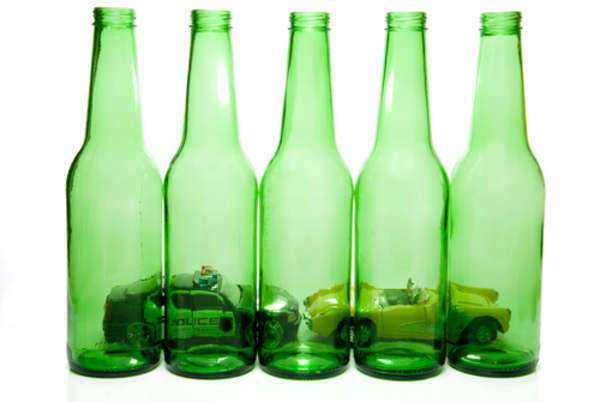
The charges that are involved with underaged drinking may prove to differ from State to State, even though the statute is a Federal law. Typically speaking, upon facing the charges in a juvenile court, typical sentencing will include the suspension of all driving privileges and community service. Some courts will also order that the child undergo underaged drinking counseling and underaged drinking prevention classes.