Differences Between Robbery and Burglary
📅 2026 Update: Important Changes in Robbery and Burglary Laws
Since the original article was written, there have been significant updates to federal robbery and burglary laws that impact how these crimes are prosecuted and punished. Key changes include new provisions for robbery involving motor vehicles and revisions to penalties for post office burglary. The original article continues further down this page, providing foundational knowledge on these offenses.
🚗 Federal Robbery Statutes Updated
As of October 9, 2026, there have been updates to 18 U.S.C. § 2119, which deals with motor vehicle theft. Now, if serious bodily injury or death results from the act, penalties can range from 25 years to life imprisonment or even death. This change reflects a more stringent approach to robbery cases with potential harm to victims.
📬 Post Office Burglary Penalties Revised
The penalties for forcibly breaking into a post office, outlined in 18 U.S.C. § 2115, have been revised. While the maximum imprisonment term remains five years, the maximum fine has changed to an unspecified amount. This update may impact the financial repercussions for offenders.
⏳ Processing Times for Federal Cases
Processing times for federal robbery cases vary significantly. Factors such as case complexity and court schedules can affect how quickly a case moves through the system. This variability can influence how long defendants wait for their cases to be resolved.
📅 Statute of Limitations for Federal Robbery
Robbery offenses under 18 U.S.C. § 2113 now have no statute of limitations. This means that individuals can be prosecuted for these offenses regardless of how much time has passed since the crime was committed.
📌 Key Points Summary
- 🚗 Federal robbery laws now include harsher penalties for motor vehicle theft with serious injury or death.
- 📬 Post office burglary penalties have revised fines but maintain a five-year imprisonment maximum.
- ⏳ Processing times for federal robbery cases can vary widely.
- 📅 There is no statute of limitations for federal robbery offenses.
💡 Tips for Understanding Robbery and Burglary
Reviewing your specific situation with an attorney is essential for understanding how these laws apply to you.
📖 Understand the Definitions
Robbery involves taking property through force or intimidation, while burglary is entering a building unlawfully with intent to commit a crime. Knowing these differences can clarify potential charges.
🔍 Recognize the Consequences
Penalties for robbery can be severe, including lengthy prison sentences. Understanding these consequences can help individuals make informed decisions if facing charges.
🔑 Know Your Rights
Individuals accused of robbery or burglary have legal rights during prosecution. Being aware of these rights can help in navigating the legal process.
🛡️ Consider Prevention Measures
Installing security systems can deter burglary attempts. Taking proactive measures can reduce the risk of becoming a victim of burglary or theft.
📚 Seek Free Legal Help
For individuals facing charges, nonprofit organizations like the Legal Aid Society offer free legal services. These resources can provide valuable assistance during the legal process.
🏆 Services for Legal Help Ranked by User Reviews (2026)
The following services provide valuable legal assistance related to robbery and burglary. Each service is ranked according to Trustpilot data from October 2026. Remember that these scores can change, and reviews vary widely.
Star ratings represent only one aspect of user feedback, as unhappy customers tend to leave more reviews.
🥇 1. LegalZoom
LegalZoom holds a Trustpilot score of 4.6. It is known for online legal document preparation, business formation services, and estate planning. Some users have reported delays in customer service response and occasional document accuracy issues, so careful review is essential when using their services.
🥈 2. Rocket Lawyer
Rocket Lawyer has a Trustpilot score of 4.5. It offers online legal document creation and legal advice services, making it a useful tool for those facing legal issues. However, its subscription model may not fit all users, and some have reported unexpected charges.
🥉 3. LegalShield
LegalShield has earned a Trustpilot score of 4.4. This service provides legal subscription services and access to a network of attorneys. While it is an affordable option for legal assistance, some users have experienced difficulties reaching their assigned attorneys and noted slow callback times.
4️⃣ JustAnswer
JustAnswer holds a Trustpilot score of 4.6. It offers on-demand expert advice across various topics, including legal matters related to robbery and burglary. While it provides 24/7 access to professionals, some users have reported unexpected billing charges and occasional slow or unhelpful customer support.
🆓 Free Legal Aid Options
Individuals facing federal robbery or burglary charges can seek help from nonprofit organizations, such as the Legal Aid Society. These organizations offer free legal services to eligible individuals, providing essential support during legal challenges.
🔎 Key Factors to Compare Legal Services
- 📅 Processing times for services
- 💵 Costs and potential hidden fees
- 📝 Types of legal documents supported
- 👥 Availability of customer support
- ⭐ User reviews and overall satisfaction
❓ Frequently Asked Questions
🔍 What is the difference between robbery and burglary?
Robbery involves taking property from a person or their presence through force or intimidation. In contrast, burglary involves unlawfully entering a building to commit a crime inside, without necessarily using force against a person.
🚓 What are the penalties for federal robbery?
Under 18 U.S.C. § 2113, federal robbery can lead to imprisonment for up to 20 years. If a dangerous weapon is used, the maximum sentence can increase to 25 years.
⚖️ How does the law classify burglary?
Burglary is classified as a felony in every U.S. state. Penalties can vary based on factors like location, intent, and whether a weapon was involved.
📈 Are there statistics on robbery offenses?
In Fiscal Year 2024, there were 1,305 federal robbery cases reported, with a median loss of $2,115 per offense. Most offenders were men, with significant representation among different racial demographics.
⏳ How long does it take to process a robbery case?
Processing times for federal robbery cases can vary widely. Factors such as the complexity of the case and court schedules can significantly impact how quickly a case is resolved.
📜 What should I do if charged with robbery or burglary?
Seek assistance from a legal professional or nonprofit organization. Understanding your rights and the legal process is essential in navigating the charges effectively.
⚖️ Recent Court Cases Related to Robbery and Burglary
Recent court rulings have highlighted ongoing issues related to robbery and burglary offenses, impacting how these cases are prosecuted and the penalties involved.
- New York court orders hearing for trafficking victim's appealAppellate Division of the Supreme Court of the State of New York · May 20, 2026
- New York court overturns gang-related convictions of HewittAppellate Division of the Supreme Court of the State of New York · May 20, 2026
- New York court affirms conviction of Johnny Jacob for rapeAppellate Division of the Supreme Court of the State of New York · May 20, 2026
- New York court affirms guilty plea in child sexual conduct caseAppellate Division of the Supreme Court of the State of New York · May 20, 2026
For more recent rulings, feel free to browse more rulings on the news page.
End of October 2026 Update
In both robbery and burglary, criminals often intend to steal property. However, burglary does not always include the added offense of theft. In fact, burglary in an inchoate crime, which is utilized to prepare for a number of additional offenses once the perpetrator has illegally gained access to a structure. Those offense can include crimes against property, or crimes against a person.
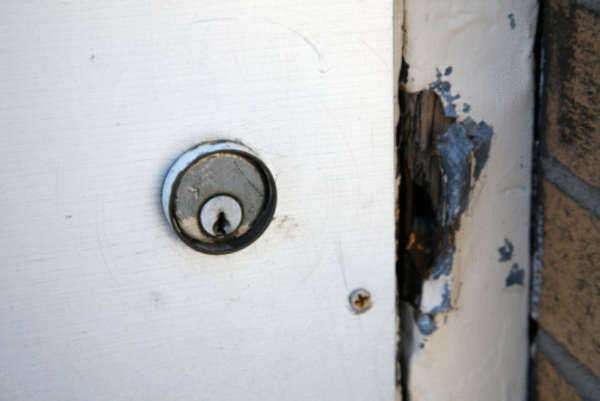
Whereas, robbery always concludes with the theft of property utilizing the threat or violence or actual violence. In either case, the perpetrator may carry a weapon, which subsequently results in more serious charges. However, burglarsare not likely to reveal their weapon, as they generally do not come into contact with their victims. Robbery always includes some form of contact between the victim and the perpetrator.
Robbery often incurs more serious charges than burglary. However, the charges and sentence are dependent on several factors, including state and federal law. In addition, burglary, as an inchoate offense, can result in a number of differing proceeding offenses. If the proceeding offense is theft, the burglar is likely to face less serious charges than an individual that takes part in crimes against a person, such as assault. In addition, some crimes against property are more serious than others.
For example, a burglar that commits arson, is going to face more serious charges than a burglar that steals property. Most of these distinctions are made by state laws. Yet, in some cases, federal law applies, depending on the nature of the crime. If federal laws apply, those laws supersede state laws and criminals must first answer the federal charges. Federal laws apply for robbery or burglary, in certain circumstances, such as financial institutions or post offices. Robbery would also incur more serious charges than burglary, due to the more serious nature of the crime.
The major difference between burglary and robbery, is intent. The robber intents to steal property, utilizing the threat of violence, or actual violence. Whereas, the burglar's intent is not always as clear. Burglars intend to enter a structure, without permission. However, burglars can have varying intents once that portion of the crime has been committed.
Statistically, burglars usually intend to steal property and never come into contact with their victim. However, some burglars intend more harm than robbers, as is the case with assault, kidnapping and murder. Both crimes are serious and perpetrators often face harsh prison sentences, especially if they have violated any federal laws.