The Varying State Specifications of Burglary
📅 2026 Update: Recent Changes in Burglary and Robbery Laws
Since the original article was written, there have been significant updates to federal laws concerning burglary and robbery. These changes affect penalties and definitions, offering clearer insights into how these offenses are treated in the legal system. The earlier article continues further down the page, providing foundational knowledge about burglary across various states.
🚔 Federal Robbery Statutes Updated
As of October 9, 2026, 18 U.S.C. § 2119 has been amended. This law now includes provisions for serious bodily injury and death resulting from motor vehicle theft. The penalties can range from up to 25 years imprisonment to life imprisonment or even death, depending on the specific circumstances surrounding the offense.
📬 Post Office Burglary Penalties Revised
The maximum fine for forcibly breaking into a post office has been revised. Under 18 U.S.C. § 2115, the fine is now unspecified, but the imprisonment term remains up to five years. This change emphasizes the seriousness of such offenses.
💼 Federal Robbery Charges Process
Individuals charged with federal robbery offenses are prosecuted by the U.S. Attorney's Office. The legal process includes several stages: indictment, arraignment, pre-trial motions, trial, and sentencing.
This structured approach ensures that all legal rights are considered during prosecution.
⏳ Processing Times for Federal Cases
Processing times for federal robbery cases vary widely. Factors such as the complexity of the case and court schedules can significantly influence how quickly a case moves through the legal system. Those involved should prepare for potential delays.
📊 Current Robbery Statistics
In Fiscal Year 2024, there were 1,305 federal robbery cases reported. The median loss per offense was $2,115. Additionally, 94% of individuals sentenced for robbery were men, highlighting patterns in demographics related to these crimes.
📌 Key Points
- Updated laws increase penalties for serious bodily injury or death in robbery cases.
- Post office burglary fines now unspecified, with up to five years imprisonment.
- Federal prosecution process includes multiple legal stages.
- Robbery case processing times can vary widely based on complexity.
- Statistics show a high percentage of male offenders in recent robbery cases.
💡 Practical Tips for Understanding Burglary and Robbery
Reviewing your specific situation with an attorney is essential for understanding legal ramifications.
📝 Know the Definitions
Understanding the difference between burglary and robbery is crucial. Burglary is unlawful entry to commit a crime, while robbery involves taking property through force or intimidation. Knowing these definitions can help clarify legal discussions.
🔍 Review Recent Changes
Stay informed about recent changes in laws. Updates like those in 18 U.S.C. § 2119 can significantly impact penalties. Understanding these laws will help you navigate potential legal issues more effectively.
⚖️ Understand Penalties
Penalties for robbery and burglary vary by severity and jurisdiction. For example, bank robbery can result in up to 20 years of imprisonment. Knowing potential penalties helps in assessing risks and legal strategies.
📑 Seek Legal Assistance
If facing charges, consider reaching out to nonprofit organizations for help. Groups like the Legal Aid Society offer free assistance to those who qualify, making legal support more accessible.
📈 Stay Aware of Statistics
Familiarizing oneself with robbery statistics can provide context. For instance, understanding that 94% of robbery offenders are male may influence discussions about crime prevention and law enforcement strategies.
🚨 Implement Security Measures
To reduce the risk of burglary, consider enhancing home security. Installing alarm systems or surveillance cameras can deter potential burglars, providing peace of mind.
🏆 Top Services for Legal Questions on Burglary and Robbery, Ranked by User Reviews (2026)
This section lists services that can assist those dealing with legal issues related to burglary and robbery. These services offer various legal resources and support, making them relevant to this article's topic. The ratings reflect user experiences up to October 2026.
Remember, star ratings are only one signal; unhappy customers often post more reviews, and sample sizes can differ.
🥇 1. JustAnswer
JustAnswer has been rated 4.6. This service is known for offering on-demand expert advice across many topics, including legal issues. Users appreciate the 24/7 access to professionals.
However, some report unexpected billing charges and occasional slow customer support, which can be a drawback when urgent assistance is needed.
🥈 2. LegalZoom
LegalZoom holds a score of 4.6. It specializes in online legal document preparation and business formation services. This service is beneficial for those needing help with legal paperwork related to theft-related offenses.
Some users have reported delays in customer responses and occasional issues with document accuracy, which may affect timely legal processes.
🥉 3. Rocket Lawyer
Rocket Lawyer averages 4.5. The platform provides online legal document creation and legal advice services, making it a useful resource for individuals facing burglary or robbery charges. Users appreciate the accessibility of legal assistance, although the subscription model may not suit everyone.
Some report unexpected charges, which could lead to frustration.
4️⃣ LegalShield
LegalShield receives a score of 4.4. Known for its legal subscription services, it connects users to a network of attorneys for affordable legal assistance. This can be particularly helpful for those navigating legal challenges related to burglary or robbery.
However, some users have reported difficulties reaching assigned attorneys, which may hinder quick responses.
🆓 Free Legal Aid Services
Individuals facing federal robbery or burglary charges can seek help from nonprofit organizations like the Legal Aid Society. These organizations provide free legal services to those who qualify, offering valuable support without the financial burden associated with typical legal fees.
🔎 What to Compare When Choosing Legal Services
- 🔍 User ratings and reviews to gauge overall satisfaction.
- 📋 Service offerings related to burglary and robbery laws.
- ⏳ Response times for urgent legal inquiries.
- 💰 Cost structures, including any unexpected fees.
- 🤝 Accessibility of legal assistance and support.
❓ Frequently Asked Questions
❓ What are the penalties for federal robbery under 18 U.S.C. § 2113?
Penalties for federal robbery can include imprisonment for up to 20 years, or 25 years if a dangerous weapon is used. Fines may also be imposed.
🔒 How does burglary differ from theft?
Burglary involves unlawful entry into a building with intent to commit a crime inside, while theft (or larceny) is the unlawful taking of property without force or threat.
🌙 Are nighttime burglaries treated more severely?
In some jurisdictions, burglaries occurring at night may receive harsher penalties. This can be due to the perceived increased danger to victims.
🚨 How can I prevent burglary at my home?
Consider installing security systems, motion-sensor lights, and surveillance cameras. These measures can significantly deter potential burglars.
📊 What demographic trends exist among robbery offenders?
In Fiscal Year 2024, 94% of those sentenced for robbery were men, and a significant portion identified as Black, highlighting trends in offender demographics.
📅 Is there a statute of limitations for federal robbery offenses?
Federal robbery offenses, including those under 18 U.S.C. § 2113, have no statute of limitations. This means prosecution can occur at any time.
⚖️ Recent Cases Related to Burglary and Robbery
Recent court rulings have highlighted important legal interpretations regarding burglary and robbery offenses. These rulings connect directly to how laws are enforced and interpreted in various cases.
- Kentucky Court Reverses Ruling on Spousal Testimony PrivilegeCourt of Appeals of Kentucky · May 29, 2026
- Court dismisses appeal from convicted rapist due to timingCourt of Appeals of Georgia · May 29, 2026
- Georgia Court reinstates appeal for Maurice Conner caseCourt of Appeals of Georgia · May 29, 2026
- Illinois Appellate Court upholds conviction of Vincent DavisAppellate Court of Illinois · May 29, 2026
For more insights, you can browse more rulings on the news page.
End of October 2026 Update
Burglary is generally defined as entering a property without permission with the intent to commit a crime. In general, burglars commit the crime of theft when they burglarize. There are different types of crimes committed by burglars and each State may define those acts differently.
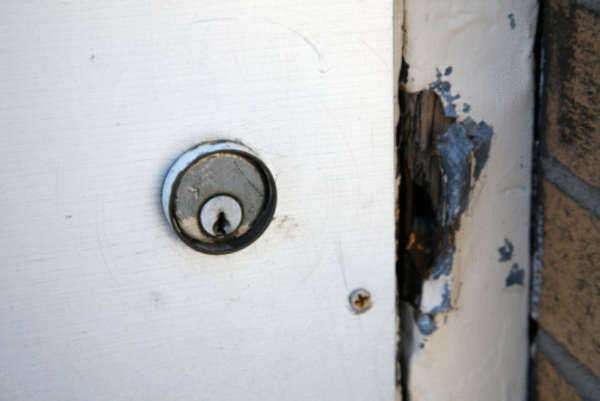
In general, states make determinations based on several factors. First, burglars that carry weapons are likely to be charged with a more serious crime than those that do not. In addition, individuals that burglarize a residence are likely to face more serious charges than those that burglarize a commercial facility. However, if the structure is occupied at the time of the crime, burglars will face more serious charges, regardless of the type of structure.
Burglars can also face stricter consequences if the crime is committed at night. In addition, burglars will face more serious charges if the burglary takes place in concurrence with another crime, such as kidnapping or murder. While all of these factors play a role in the type of charges and the sentence imposed, there are also differences in each State.
Individuals can be charged with an attempt to burglarize, even if no crime actually took place. These burglars are considered to be guilty of inchoate crimes, or crimes that are committed in preparation for another crime. Like other crimes, one does not have to be caught in their attempt to burglarize. Individuals can in fact be charged without ever have committed the act or offense.
There are many factors to be considered when law enforcement brings charges against burglars. The severity of the crime is instrumental in making those determinations. The type of property entered and time of day that the burglary takes place are a few of the critical factors in making such determinations. The addition of robbery tools or weapons generally makes the offense more severe because the crime was obviously premeditated.
In cases where crimes are simply opportunistic, such as an open door, individuals generally receive a lesser punishment due to the lack of premeditation. Each State will make those determinations according to unique and specific State laws. In fact, sentence lengths and severity are also determined by the manner in which a State classifies a crime.
When an individual decides to burglarize a property and gets caught, their sentence will be determined by many factors. In fact, the definition for each type of burglary will vary according to each State’s law. In addition, each State has the ability to make their own determinations as to sentence requirements for different types of burglary. However, every State is likely to impose longer sentences in certain circumstances, such as the perpetrator being under the influence of illicit drugs or carrying a weapon. In any case, burglary is a serious crime that often incurs severe penalties. Yet, very few burglaries are ever solved in the United States.