What You Need to Know About The Federal Court House
📅 2026 Update: Recent Changes in Criminal Law
Since the original article was published, there have been important changes in criminal law that affect how certain crimes are prosecuted and punished. These updates focus on increased penalties for offenses against public officials and expand protections for various roles within society. Readers can find the earlier article further down the page for more foundational information on federal courthouses and criminal law.
🚓 California Penal Code Updates
In California, two significant amendments took effect on January 1, 2025. Penal Code § 241 now imposes harsher penalties for assault against public officials, including peace officers and firefighters. Offenders can face a fine up to $2,000 and imprisonment for up to one year, or both.
Additionally, Penal Code § 243 enhances penalties for battery against specified public officials. Similar to § 241, this law carries the same potential fines and imprisonment terms. These changes reflect California's commitment to protecting those who serve the public.
🏈 Florida's Enhanced Protections
Florida has made significant amendments to its statutes as of July 1, 2026. For example, § 784.03 now classifies a second or subsequent battery by someone with a prior conviction as a third-degree felony. This change aims to deter repeat offenders and ensure that victims of battery receive greater protection.
Furthermore, § 784.081 has been updated to include sports officials among those protected under the law. Assault or battery against sports officials is now considered a higher-degree felony, which raises the stakes for offenders and emphasizes the importance of respect within sporting events.
🚍 Massachusetts Protects Transit Workers
On March 3, 2026, Massachusetts amended General Laws Chapter 265, § 13D to include public transit workers as protected individuals under its assault and battery laws. The penalties for assaulting or battering transit workers can now lead to imprisonment ranging from 90 days to 2.5 years, along with fines between $500 and $5,000. This change highlights the growing recognition of the risks faced by public service employees.
📌 Key Points to Remember
- 🚓 California's laws now impose increased penalties for assault and battery against public officials.
- 🏈 Florida has reclassified certain battery offenses, especially regarding sports officials and repeat offenders.
- 🚍 Massachusetts has extended protections to public transit workers, emphasizing the need for safety in public service roles.
- ⚖️ These changes reflect a broader trend toward protecting individuals serving public interests.
💡 Tips for Understanding Criminal Law Changes
Review the details of your specific situation with your attorney.
📜 Understand the Amendments
Familiarize yourself with the recent changes in the law, especially if you or someone you know might be affected. Knowing the details can help you navigate legal challenges more effectively.
🔍 Check Eligibility for Programs
If facing charges under these new laws, explore whether you qualify for any diversion programs or reduced sentences. Eligibility can depend on factors like prior convictions and the nature of the offense.
⏳ Be Aware of Processing Times
Processing times for cases involving new amendments can vary. Stay informed about potential delays based on case complexity and court schedules.
📅 Know the Statutes of Limitations
Understanding the statutes of limitations for assault and battery offenses is crucial. These deadlines can impact how cases are handled and whether charges can be pursued.
📞 Seek Guidance from Authorities
Refer to state departments for guidance on legal procedures. Each state has resources to help individuals understand their rights and responsibilities under the new laws.
🏆 Free Options Ranked by User Reviews (2026)
No national paid services in this area met the review threshold, so this section lists free government and nonprofit resources that can assist individuals facing criminal law issues.
🥇 1. California Department of Justice
The California Department of Justice provides resources and information on legal procedures related to assault and battery cases. They help individuals understand their rights and the steps involved in the criminal justice process.
🥈 2. Florida Department of Law Enforcement
The Florida Department of Law Enforcement offers guidance on legal procedures for those charged under the state's criminal statutes. Their services aim to clarify the processes and requirements for individuals navigating the legal system.
🥉 3. Massachusetts Executive Office of Public Safety and Security
This office assists individuals charged under Massachusetts laws, particularly those involving public transit workers. They provide essential information on legal procedures and resources available to those in need of assistance.
🔎 What to Check Before Paying for Help
- 🔍 Verify the qualifications of any service provider.
- 📑 Confirm that the service covers your specific legal needs.
- 💰 Compare costs to ensure there are no hidden fees.
- 📞 Read reviews or testimonials about the service's effectiveness.
❓ Frequently Asked Questions
❓ What are the new penalties for assault in California?
California's amendments to Penal Code § 241 mean that assaults against certain public officials can result in fines up to $2,000 and imprisonment for up to one year.
❔ How has Florida changed its battery laws recently?
Florida's new laws classify repeat battery offenses as third-degree felonies, increasing penalties for those with prior convictions.
🏙️ Are public transit workers now protected by law in Massachusetts?
Yes, Massachusetts has amended laws to include public transit workers as protected individuals against assault and battery, with penalties ranging from 90 days to 2.5 years in prison.
👮 What should I do if I’m charged under these new laws?
If charged under any of these new laws, consult the appropriate state department for guidance on legal procedures and your rights.
⚖️ How do I find out about my eligibility for diversion programs?
Eligibility for diversion programs can depend on factors like your criminal history and the nature of the offense. Check with local legal resources for detailed information.
⏳ What should I know about processing times for new cases?
Processing times for assault and battery cases can vary based on complexity and court schedules. It’s best to stay informed by consulting your local court system.
⚖️ Recent Court Cases Related to Criminal Law
Recent court rulings reflect ongoing changes in criminal law and penalties for assault and battery offenses. These cases illustrate how courts are interpreting and applying the new laws.
- Army Court upholds conviction of soldier for property damageArmy Court of Criminal Appeals · June 29, 2026
- Hawaii Supreme Court orders new hearing in Tolentino caseHawaii Supreme Court · June 30, 2026
- Hawaii Supreme Court orders hearing on defendant's statementHawaii Supreme Court · June 30, 2026
- D.C. Court Affirms Conviction of Jakyra Perry for AssaultDistrict of Columbia Court of Appeals · July 2, 2026
Readers can browse more rulings on the news page for additional recent rulings and updates.
End of October 2026 Update
A Federal courthouse is a courthouse in which Federal judicial proceedings occur. There are many different types of courthouses located throughout the United States. Federal courthouses handle cases that involve Federal violations. If an individual has committed a Federal crime, he/she will be tried in a Federal courthouse.
Within the Federal judicial system, there are three different court levels: the District Courts, the Court of Appeals, and the Supreme Court.
Each type of Federal court possesses a different Federal courthouse. The District Court comprises of the lowest level of the Federal judicial system. A District Courthouse is located in every State throughout the United States. More extensive states often possess multiple District Courthouses. For example, California has four different District Courthouses.
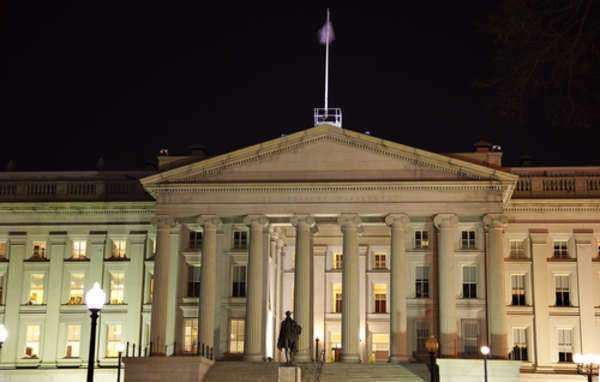
The U.S. Court of Appeals makes up the next level of Federal courts. When an individual wants the verdict of a Federal case to be reviewed, the decision will be evaluated by the Court of Appeals. There are a number of Court of Appeals courthouses located throughout the country. However, they are not as numerous as the District Courts. There are 11 different circuits, or Court of Appeals courthouses, situated in different locations throughout the United States. These circuits are separated by geographical boundaries.
For example, the states of Florida, Georgia, and Alabama comprise the eleventh circuit, which is represented by one Federal courthouse.
There is only one Supreme Federal courthouse. The home of the highest level of the Federal judicial system is located in Washington D.C.