Aryan Brotherhood
📅 2026 Update: Changes in Gang Crime Legislation and Sentencing
Since the original article on the Aryan Brotherhood was written, there have been significant updates in U.S. criminal law regarding gang-related crimes and their penalties. These changes affect how gang crimes are prosecuted and the sentences that offenders may face. The earlier article continues further down this page, providing context and background.
📜 Federal Legislation on Gang Crimes
In May 2005, the U.S. House of Representatives passed legislation that made gang-related crimes federal offenses. These laws impose mandatory minimum sentences.
Offenders now face sentences ranging from 10 years to life in prison. In cases where gang crimes result in death, penalties can include life imprisonment or even capital punishment.
🔫 Sentencing for Armed Robbery
As of October 15, 2023, armed robbery is classified as a Class A felony. Sentences typically range from 10 years to life in prison, depending on the crime's severity and circumstances. Repeat offenders may face harsher penalties, reflecting the serious nature of armed robbery.
💰 Sentencing for Extortion
The penalties for extortion vary based on the severity of the crime. As of December 22, 2019, sentences can range from fines and probation to up to 10 years in prison. This is especially true when threats involve harm or death, highlighting how serious the legal system takes extortion offenses.
⚖️ Felony Murder Rule
As of August 15, 2024, the felony murder rule allows for charges when a death occurs during the commission of a felony, even if the death was unintentional. This rule broadens the scope of accountability for gang-related crimes, affecting how cases are prosecuted in court.
📌 Key Points Summary
- Gang crimes are now federal offenses with strict penalties.
- Armed robbery sentences range from 10 years to life.
- Extortion penalties can go up to 10 years in prison.
- The felony murder rule holds offenders accountable for deaths during felonies.
- Changes impact the prosecution and sentencing of gang-related crimes.
💡 Tips for Understanding Gang Crime Charges
Review the details of your situation with your attorney to get a better understanding of your options and potential outcomes.
📊 Understand Gang Crime Legislation
Stay informed about federal legislation on gang crimes. Knowing the federal penalties can help you understand the serious nature of the charges.
⏳ Know the Statute of Limitations
The statute of limitations for federal gang crimes can be up to 5 years for certain offenses. Knowing this timeframe is essential for understanding how long authorities have to file charges.
⚖️ Explore Available Defenses
Familiarize yourself with defenses like duress. This defense may apply if threats of imminent harm led to the crime, although it’s typically not a defense for murder charges.
📈 Be Aware of Sentencing Guidelines
Sentencing for aggravated robbery can reach 25 years. Repeat offenders face even more severe penalties, so understanding these guidelines is crucial.
🆓 Seek Legal Aid if Needed
If facing gang crime charges, consider reaching out to legal aid organizations. They provide free or low-cost legal services to those who qualify, helping navigate complex legal issues.
🏆 Services Ranked by User Reviews (2026)
This section highlights services relevant to individuals dealing with gang crime charges or related legal issues. The rankings are based on Trustpilot data as of October 2026, reflecting user feedback. Ratings can change over time, and star scores are one factor among many to consider, as unhappy customers often leave more reviews.
🥇 1. RushTranslate
RushTranslate holds a Trustpilot score of 4.8. This service is known for its certified criminal record translations and guarantees acceptance by USCIS. However, some customers have noted concerns about pricing, which can vary.
🆓 Free Legal Aid Resources
Individuals facing charges related to gang crimes may seek assistance from legal aid organizations. These groups offer free or low-cost legal services, helping individuals understand their rights and navigate the legal system.
🔎 Comparing Services for Legal Needs
- 📊 User ratings and feedback for insights into reliability.
- ⚖️ Service offerings that meet your specific legal needs.
- 💼 Experience with gang-related cases or criminal law.
- 🏷️ Cost structures to ensure affordability.
❓ Frequently Asked Questions
❓ What are the penalties for gang-related crimes?
Penalties for federal gang-related crimes can include mandatory sentences ranging from 10 years to life in prison, especially if the crime resulted in a death.
🔍 How does the felony murder rule work?
The felony murder rule applies when a death occurs during the commission of a felony, even if the death was unintentional. This rule can lead to serious charges against defendants.
📜 What is the statute of limitations for gang crimes?
The statute of limitations for federal gang crimes can be up to 5 years for certain offenses, meaning charges must be filed within this timeframe.
⚔️ Can duress be used as a defense?
Yes, duress can be a defense in criminal cases if the defendant committed the crime under the threat of imminent harm. However, it's generally not accepted for murder charges.
📅 What is aggravated robbery?
Aggravated robbery involves the use of a weapon or causing serious injury. Sentencing for this crime can be up to 25 years in prison, with more severe penalties for repeat offenders.
📝 How can I find legal aid?
Legal aid organizations can provide free or low-cost legal services to individuals facing charges related to gang crimes. These organizations help navigate the complexities of the legal system.
⚖️ Recent Cases Related to Gang Crimes
Recent court rulings have shaped the landscape of gang crime prosecution and sentencing. These rulings illustrate how courts interpret laws and apply penalties in cases involving gang-related activities.
- Puerto Rico court upholds special penalty for convicted manTribunal De Apelaciones De Puerto Rico/Court of Appeals of Puerto Rico · August 24, 2026
- Puerto Rico court dismisses appeal from convicted inmateTribunal De Apelaciones De Puerto Rico/Court of Appeals of Puerto Rico · August 24, 2026
- Puerto Rico Appeals Court Denies Certiorari in Homicide CaseTribunal De Apelaciones De Puerto Rico/Court of Appeals of Puerto Rico · August 25, 2026
- Puerto Rico court upholds conviction of Anthony Román RodríguezTribunal De Apelaciones De Puerto Rico/Court of Appeals of Puerto Rico · August 25, 2026
For further information, feel free to browse more rulings on the news page.
End of October 2026 Update
How was the Aryan Brotherhood formed?
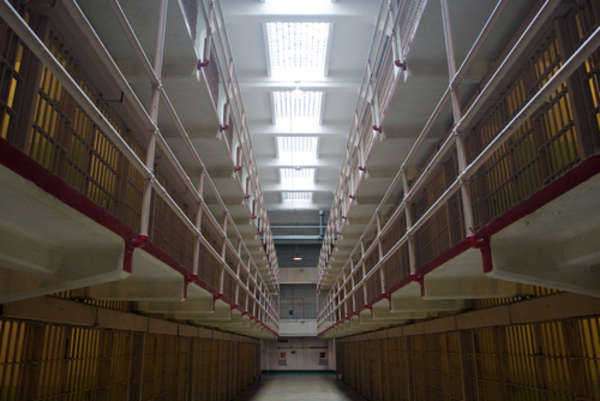
According the FBI and NPR, the Aryan Brotherhood was formed in the San Quentin maximum-security prison in California in 1964. Some rumors indicate the brotherhood start as early as the 1950s, but a group of Irish bikers officially formed the brotherhood to retaliate against members of the Black Guerrilla Family.
History of the Aryan Brotherhood
Throughout its history, the brotherhood has been made up of incarcerated white supremacists who retaliated against Mexican and black prisoners. Recently, the group has focused less on white supremacy and more on maintaining dominancy within the prison systems.
The group experienced the most growth during the 1980s and operated at federal prisons in California and state prisons as well. During the 1980s, two of the brotherhood’s most notorious members, Barry Mills and Tyler Bingham, begin to control the gangs in the prisons.
The FBI warned prisons about the Aryan Brother in 1982 because the FBI suspected they were recruiting gang members from more prisons in other states. Subsequently, four prison guards were stabbed by brotherhood members at the U.S. Penitentiary in Marion, Illinois on October 22, 1983. Two of the guards died, and it was the first time in U.S. history that two guards were killed in a federal prison on the same day.
Starting in the 1990s, authorities began to relocate members of the brotherhood to maximum security prisons around the country where the prisoners were made to stay in a single cell for most of the day. Even with increased security measures, the brotherhood continued to murder prisoners and traffic drugs in the prison.
The gang went on to commit a large amount of murders and crimes during the 1990s. For example, a strangulation occurred at the Lompoc federal prison in California in 1992, and Barry Mills and T.D. Bingham ordered a “race war” at a prison in Lewisburg, Pennsylvania in 1997 that resulted in two black inmates dying. In 1995, brotherhood member Robert Scully was released from prison and shot a police officer only six days later.
In 1999, Barry Mills wrote letters to the majority of brotherhood members on parole, and he encouraged the members to try and extend the brotherhood outside of the prison system.
Charges Against the Aryan Brotherhood Leaders
Charges were finally brought against leaders of the Aryan Brotherhood on August 28, 2002 by Assistant U.S. Attorney Gregory Jessner. The members were charged with murders by stabling, poisoning, strangulation and other crimes like extortion, narcotics trafficking, and more.
On March 14, 2006, Barry Mills, T.D. Bingham, Edgar Hevle, and Christopher Overton Gibson were brought to trial. The four suspected leaders of the brotherhood were accused for their roles in 15 murders that occurred over the last 25 years. Additionally, racketeering charges were brought against 40 members of the brotherhood and prosecutors presented evidence of the brotherhood’s involvement in 32 murders that occurred both in and out of the prison system. The men were sentenced to additional life sentences without the chance of parole.
Source: https://www.npr.org/templates/story/story.php?storyId=5558210