Key Facts of Identity Theft to Remember
📅 2026 Update: Recent Trends in Identity Theft and Criminal Prosecutions
Since the original article was published, there have been significant changes in how identity theft and related crimes are prosecuted in the U.S. Various initiatives have been launched to address these issues, particularly focusing on violent crimes and fraud. The following sections detail some of the most important updates and changes relevant to identity theft and criminal law.
🚨 Operation Not Forgotten 2026
This initiative ran from April 1 to September 30, 2026, targeting unresolved cases in Indian country. The Department of Justice and the FBI focused on violence against women and children. As a result, there were 118 arrests, a 123% increase from 2025, and 41 individuals charged federally, a 52% increase from the previous year.
This operation highlights the commitment to addressing crimes that often involve identity theft in its many forms.
🏙️ Operation Safe Cities
Launched on March 20, 2024, this operation aims to improve federal prosecutions of violent criminals involved in various crimes, including commercial robberies and kidnappings. These types of offenses can often lead to identity theft. The initiative enhances collaboration between federal and local law enforcement agencies to tackle these pressing issues.
🏛️ HyperFund and Related Cases
In July 2026, Rodney Burton was sentenced to 32 months in prison for participating in a fraudulent investment scheme linked to identity theft. This case is a crucial reminder of how financial fraud often connects to identity-related crimes, affecting many victims.
⚖️ Operation Take Back America and Project Safe Neighborhoods
These initiatives focus on serious crimes, including trafficking and gun offenses. On October 15, 2026, Aaron Hatfield received a 14-year sentence for trafficking methamphetamine and being a felon in possession of firearms. Such crimes can also involve identity theft as part of broader criminal activities.
📌 Key Points to Remember
- 🚨 Operation Not Forgotten led to 118 arrests and a 123% increase in federal charges.
- 🏙️ Operation Safe Cities enhances prosecutions for violent criminals linked to identity theft.
- 🏛️ Rodney Burton received 32 months for a fraud scheme connected to identity theft.
- ⚖️ Aaron Hatfield was sentenced to 14 years for trafficking and firearm offenses.
💡 Important Tips for Understanding Identity Theft Issues
Take time to review your particular situation with an attorney to get tailored insights and guidance.
📄 Understand Recent Legal Changes
Stay updated on legal changes regarding identity theft and related crimes. The initiatives mentioned reflect a growing emphasis on addressing these issues more effectively.
🔍 Know Your Rights
Familiarize yourself with your rights in the event of identity theft. Knowing how the law protects you can help you respond quickly if your identity is compromised.
📞 Report Suspicious Activity
If you suspect identity theft, report it immediately to the appropriate authorities. Quick actions can help mitigate damage and lead to faster resolutions.
🛡️ Utilize Available Resources
Take advantage of free government and nonprofit resources that assist victims of identity theft. Initiatives like Operation Not Forgotten aim to provide support and pursue justice.
📚 Keep Documentation
Maintain detailed records of any incidents related to identity theft. This documentation is essential for legal proceedings and can help in recovering losses.
🏆 Top Services Ranked by User Reviews (2026)
The following services are tailored to address identity theft and related legal needs. These rankings are based on Trustpilot data checked in October 2026. Ratings can change over time, and it's essential to consider that star ratings reflect only part of user experiences.
Generally, unhappy customers tend to leave more reviews, and sample sizes may differ.
🥇 1. Rocket Lawyer
Rocket Lawyer has been rated 4.5 out of 5. This service is known for providing online legal services and access to document creation. Users appreciate the ease of obtaining legal advice, but some have reported issues with subscription billing practices.
🥈 2. LegalShield
LegalShield holds a score of **4.5. It offers legal protection plans and access to attorneys, which is relevant for those dealing with identity theft. However, some reviewers have expressed concerns about the processing times for claims.
🥉 3. LegalZoom
LegalZoom averages 4.6 out of 5. Users find it beneficial for online legal document preparation, business formation, and estate planning. Nevertheless, some customers have noted challenges with customer service responsiveness.
4️⃣ LawDepot
LawDepot has a score of **4.0. It provides customizable legal document templates and affordable solutions for various legal needs. Some users find the interface less intuitive, which can make it challenging for first-time users.
5️⃣ JustAnswer
JustAnswer has been rated **4.3. It offers 24/7 access to experts across a wide range of topics, including legal advice related to identity theft. Some users have questioned the depth of the advice provided.
🆓 Free Government Assistance
Various government and nonprofit options are available for individuals facing issues related to identity theft. Programs like Operation Not Forgotten aim to assist victims and provide necessary support to pursue justice.
🔎 What to Compare When Choosing Services
- 📑 Service offerings related to identity theft.
- 💬 User ratings and reviews.
- 🕒 Response times for customer inquiries.
- 💰 Pricing structures and any hidden fees.
- 🔒 The reputation for protecting personal information.
❓ Frequently Asked Questions
❓ What is identity theft?
Identity theft occurs when someone uses another person's personal information without permission, often to commit fraud. This can include stealing credit card information or using someone else's Social Security number.
🛡️ How can I protect myself from identity theft?
To protect yourself, use strong passwords and monitor your financial accounts regularly. Additionally, be cautious about sharing personal information online.
🚨 What should I do if I suspect identity theft?
If you suspect identity theft, immediately report it to your bank and local authorities. You should also consider placing a fraud alert on your credit report.
📜 What are the penalties for identity theft?
Penalties for identity theft may include fines and imprisonment. The severity depends on the nature of the crime and the amount of financial loss involved.
🔍 How can I recover from identity theft?
Recovering from identity theft can include disputing fraudulent charges, contacting credit bureaus, and possibly seeking legal assistance. Keeping detailed records will help in the recovery process.
📅 How long does it take to resolve identity theft cases?
The time it takes to resolve identity theft cases can vary widely. Some cases may take weeks or months to fully resolve, depending on the complexity of the situation.
⚖️ Recent Cases Related to Identity Theft
Recent court rulings reflect ongoing efforts to combat identity theft and related crimes. These cases illustrate the legal consequences faced by offenders and the protective measures available for victims.
- Florida court denies self-defense claim in Westcott caseDistrict Court of Appeal of Florida · August 30, 2021
- Florida court dismisses appeal for ineffective counsel claimDistrict Court of Appeal of Florida · August 26, 2021
- Florida court affirms ruling in Nicewonder v. State caseDistrict Court of Appeal of Florida · August 25, 2021
- Florida Court Affirms Decision in Laster v. State AppealDistrict Court of Appeal of Florida · August 25, 2021
For more recent rulings, check out more rulings on the news page.
End of October 2026 Update
Identity theft is a growing crime of the modern age, as the nature of economic and governmental identity becomes more and more based on specific codes and account numbers which are all too easily stolen. As Internet commerce grows, new ways must be crafted to allow for remote identification. Every time such a new way is developed, it increases the number of different routes by which someone might steal another person's identity.
Identity theft is becoming a greater threat, one that has stricken an ever-growing number of citizens. Finding ways to prevent identity theft is of the utmost importance to upholding citizens' rights.
Identity theft is, at its core, a bit different from identity fraud, though the terms are often used interchangeably. Identity theft is the act of actual theft that gives one person access to another's personal information, thereby allowing the thief to perpetrate acts of identity fraud. Identity fraud covers those acts which are done while pretending to be another person illegally. The two often go hand in hand, especially as identity theft is most often perpetrated with specific intent to then commit identity fraud.
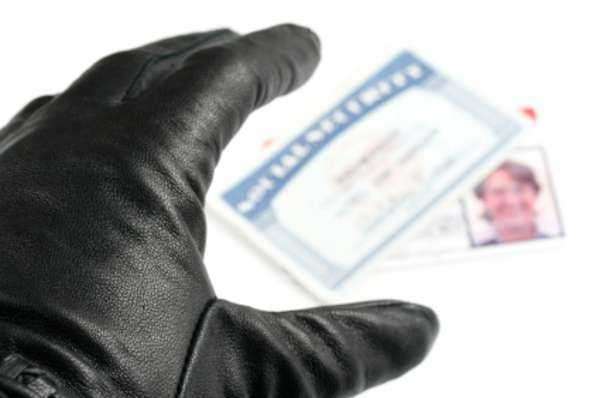
The important difference is, however, that an individual can be prosecuted simply for committing identity theft without having had to commit any acts of identity fraud. This is something that arose from a desire to prevent identity theft. By making it its own crime, it is that much easier to enforce stricter penalties against perpetrators.
Furthermore, as identity theft grows in prominence, so do techniques designed to prevent identity theft. Services specifically oriented on this topic have sprung up in order to fill this niche of identity protection. These services often monitor credit reports or other important information in order to determine when aberrant behavior crops up. When it does, they aim to act quickly and effectively to shut down the source of such behavior.
But the actual efficacy of these organizations is often in doubt, as the discovery of aberrant behavior is not as easy as some of the organizations make it seem. Still, these organizations exist and are refining their techniques in their fight to prevent identity theft.
Other means exist to help prevent identity theft, ranging from internal services at banks and credit companies which similarly track strange spending patterns, and security software for computers to prevent intrusion. Perhaps one of the most effective forms of identity theft prevention in existence is actually a simple paper shredder, as a large portion of identity theft is actually perpetrated based off stolen, physical evidence. Simply shredding important documents can help to prevent such identity theft.
But even in the face of these measures, identity theft stands out as a genuine problem that must be solved in some fashion. New means to prevent identity theft are being developed constantly, but the further along society moves towards eliminating identity theft, the closer it gets to violating privacy. This is the inherent double-edged sword of combating identity theft, as any means that can identify someone perfectly and effectively can be used to find and locate that person, thereby restricting his or her privacy at the same time as it protects his or her identity. Nonetheless, identity theft continues to be a major problem, and such measures may be the only way to effectively solve it.