Edwin Kneedler
📅 2026 Update: Changes in Notable Criminal Cases
Since the original article on Edwin Kneedler was published, there have been significant developments in notable criminal cases and figures in U.S. law. This update highlights these changes and their implications for the legal landscape. The earlier article continues further down the page.
📰 📅 Recent High-Profile Developments
- Abner Louima: He was released from prison in early 2023 after years of legal battles stemming from police brutality. His case has been pivotal in highlighting police misconduct and led to reforms in the New York City Police Department, including the elimination of the 48-hour rule for officers during investigations.
- Bernard Kerik: The former New York Police Commissioner passed away from a heart ailment on May 29, 2025, at the age of 69. His legacy includes serving during the September 11 attacks and later facing legal troubles, including a 2009 federal conviction for tax fraud and false statements.
⚖️ 🔍 Impact of Legal Outcomes
- Brandon Bernard: He was executed on December 10, 2020. His case drew attention to the death penalty and sparked debates over the justice system, particularly regarding last-minute appeals.
- Joe Arpaio: Known for his controversial practices as a sheriff, he faced a contempt hearing for violating court orders in a civil rights case. This case continues to resonate in discussions on law enforcement accountability.
📜 💼 Lawsuits and Settlements
- Abner Louima: His civil lawsuit against the city for police brutality was settled in 2001 for $8.75 million. This was the largest civil settlement for police brutality at that time, setting a precedent for future cases.
📌 Key Takeaways
- 📰 Abner Louima released from prison, significant for police reform.
- ⚖️ Bernard Kerik passed away in 2025, leaving a mixed legacy.
- ⚖️ Brandon Bernard executed in 2020, sparking debates on the death penalty.
- 🔍 Joe Arpaio faced a contempt hearing related to civil rights violations.
- 📜 Louima's settlement was historic in police brutality cases.
💡 Tips for Understanding Criminal Cases
Review the details of your own situation with your attorney.
📖 Understand Civil Rights Laws
Knowing your civil rights is essential, especially if you are a victim of police misconduct. Familiarize yourself with past cases like Abner Louima's, which pushed for reforms in police practices.
🔍 Explore Legal Precedents
Look into notable cases such as those involving Bernard Kerik and Joe Arpaio. Their legal battles have shaped public perception and policy regarding law enforcement accountability.
📆 Keep Track of Ongoing Cases
Stay updated on ongoing legal proceedings involving high-profile figures. Such cases can influence the judicial landscape and public opinion.
💼 Review Settlement Outcomes
Understanding the outcomes of significant settlements, like Louima's, can provide insight into the potential financial implications of police misconduct cases.
⚖️ Know Your Rights in Execution Cases
Familiarize yourself with the legal processes surrounding capital punishment. Cases like Brandon Bernard's demonstrate the complexities of appeals and the death penalty.
🏆 Services for Legal Help Ranked by User Reviews (2026)
Various services assist individuals in understanding legal issues related to criminal law. These services are evaluated based on Trustpilot data from October 2026. Ratings can change, and star scores are just one indicator, as unhappy customers are often more vocal.
🥇 1. ImmiTranslate
ImmiTranslate has been rated 4.3 on Trustpilot. It is known for providing certified translation services for immigration and legal purposes, making it a valuable resource for individuals navigating the legal system. Some users reported concerns about attention to detail and reliability, which is important to consider when choosing a service.
🆓 Free Legal Support Options
Abner Louima established the Abner Louima Foundation to assist Haitian residents and immigrants. This nonprofit provides resources and support for those in need, emphasizing assistance for victims of police brutality and other legal issues.
🔎 Considerations When Choosing Services
- 📜 Service offerings: Look for services that specialize in legal translations.
- 💬 User reviews: Check ratings and feedback from past users.
- ⏳ Turnaround times: Consider how quickly services can deliver what you need.
- 🔍 Attention to detail: Ensure the service has a reputation for accuracy.
- 💼 Experience with legal matters: Choose services familiar with criminal law to ensure they understand your needs.
❓ Frequently Asked Questions
❓ What is the significance of Abner Louima's case?
Abner Louima's case is significant as it brought attention to police brutality and led to reforms in the New York City Police Department.
⚖️ How did Bernard Kerik's career impact the NYPD?
Bernard Kerik's leadership during the September 11 attacks established him as a prominent figure in law enforcement, but his later legal issues raised questions about ethics and accountability.
📰 What impact did Brandon Bernard's execution have on public opinion?
Brandon Bernard's execution highlighted the complexities of the death penalty and prompted discussions about the justice system, particularly regarding last-minute appeals.
🔍 What were the outcomes of Joe Arpaio's legal challenges?
Joe Arpaio faced several legal challenges, including a contempt hearing for violating court orders, which underscored issues of accountability in law enforcement.
🏛️ How can I file a civil rights lawsuit?
Individuals who believe they have been victims of police misconduct, like Abner Louima, can file a civil rights lawsuit against the city, provided they meet eligibility criteria.
📅 What should I know about police misconduct cases?
Understanding the history of police misconduct cases can provide context for current events and highlight the importance of accountability and reform in law enforcement.
⚖️ Recent Cases Impacting Criminal Law
Recent court rulings and developments continue to shape the landscape of criminal law, particularly concerning police misconduct and accountability. These cases highlight ongoing issues within the justice system and reflect the public's demand for reform.
- Florida Court Affirms Ruling in Mayatte v. State CaseDistrict Court of Appeal of Florida · October 13, 2020
- Florida Court Affirms Ruling in Darrel D. Harvey CaseDistrict Court of Appeal of Florida · October 13, 2020
- Court Reverses Plea Due to Competency Determination ErrorDistrict Court of Appeal of Florida · October 13, 2020
- Florida court affirms ruling in Hamilton v. State appealDistrict Court of Appeal of Florida · October 13, 2020
For more insights on recent rulings, check out more rulings on the news page.
End of October 2026 Update
Edwin Kneedler
Edwin Kneedler is a Justice Department official who briefly served as Acting United States Solicitor General from January 20, 2009 to March 19, 2009. He first entered the Department of Justice in 1975 in the capacity of an employee of the Office of Legal Justice. In 1979, he transferred to the office of the Solicitor General. He was appointed a Deputy Solicitor General in 1993, a position he has maintained since with the exception of his two-month period as Acting United States Solicitor General.
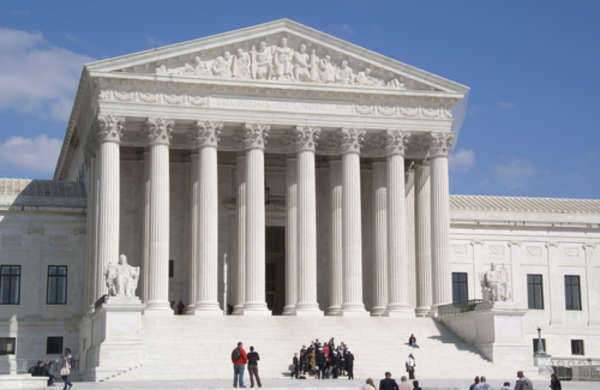
In his capacity as this type of official, Edwin Kneedler has appeared before the United States Supreme Court in excess of a 100 times. One of his most prominent recent appearances came in 2012, when the constitutional legality of the Affordable Care Act was disputed and heard before that body. Edwin Kneedler was one of 11 officials appearing before the Supreme Court to argue for the legislation's legality.
The Affordable Care Act was a controversial piece of legislation designed to reform the American health care system. 26 states challenged the legality of specific provisions of the bill, which mandated that any American who did not possess health insurance by 2014 would be liable to a penalty tax. The opponents charged that in passing this legislation, Congress had exceeded its authorized powers as defined by the Commerce Clause. The opponents also charged that forcing employers to obtain health insurance for their employers was a violation of states' rights.
After a series of lower court rulings, the Supreme Court case heard the arguments for and against the legislation in March of 2012. Edwin Kneedler was one of the team which successfully argued for the constitutionality of the legislation, which was affirmed by the court in a five to four decision in June of that year.