Voluntary Intoxication Overview
📅 2026 Update: Recent Changes in Criminal Law and Voluntary Intoxication
Since the original article was written, several important changes have occurred in criminal law that may impact the understanding of voluntary intoxication as a defense. These updates include amendments to federal sentencing guidelines and significant reforms in state criminal procedures. The earlier article continues further down this page for more foundational information.
⚖️ Federal Sentencing Guidelines Amendment
In 2025, the United States Sentencing Commission made changes to the Federal Sentencing Guidelines. These adjustments introduced new offense levels and updated sentencing ranges for various federal crimes. This can affect how voluntary intoxication is viewed in sentencing, particularly in federal cases.
🏛️ State Criminal Procedure Reforms
From 2024 to 2026, states like California and New York implemented reforms to their criminal procedures. These reforms focus on bail changes and the decriminalization of certain offenses. This may influence how cases involving voluntary intoxication are processed in these jurisdictions.
💰 Current Fees and Costs
The cost of federal bail bonds typically ranges from 10% to 15% of the total bail amount set by bail agencies. Additionally, federal court filing fees for criminal cases are generally around $400, though this can vary. Understanding these costs is crucial for defendants considering how voluntary intoxication might affect their legal strategy.
⏳ Processing Times
The average time from arrest to trial in federal criminal cases is about 12 months. This can vary based on the complexity of the case and court schedules. State criminal cases also have varying processing times, impacting how swiftly a defendant can argue a voluntary intoxication defense.
📌 Key Points Summary
- Federal Sentencing Guidelines were updated in 2025.
- States have reformed criminal procedures from 2024 to 2026.
- Federal bail costs range from 10% to 15%, with court fees around $400.
- Average time from arrest to trial is about 12 months for federal cases.
- Processing times for state cases vary widely.
💡 Tips for Understanding Voluntary Intoxication
Reviewing your specific situation with an attorney is essential for understanding your legal options.
🧐 Understand the Legal Definition
Voluntary intoxication refers to a state where a person consciously consumes drugs or alcohol. This can impact one's awareness of their actions and may serve as a defense in certain criminal cases.
⚖️ Know the Sentencing Effects
Changes to the Federal Sentencing Guidelines can impact how intoxication is viewed in sentencing. Understanding these guidelines can help in preparing a defense strategy.
📅 Keep Track of Timelines
The average time from arrest to trial is approximately 12 months for federal cases. Being aware of this timeline can help you prepare better for your case.
💰 Be Aware of Costs
Consider the costs associated with criminal cases, including federal bail and court fees. Understanding these can help in planning your defense and financial responsibilities.
📜 Explore Public Defender Options
If you qualify based on income, you may be eligible for a public defender. This can provide valuable legal assistance without the cost of hiring a private attorney.
🏆 Services Ranked by User Reviews (2026)
The services listed below help individuals navigate legal issues, including those related to criminal law. The order is based on Trustpilot data as of October 2026, and scores can change over time. Ratings reflect user satisfaction, but unhappy customers may post more feedback, leading to a skewed perception.
🥇 1. JustAnswer
JustAnswer has been rated 4.6. This service offers 24/7 expert consultations and a variety of professional services, including legal advice. It is known for its accessibility but has faced some technical glitches and communication hurdles that users should keep in mind.
🥈 2. LegalZoom
LegalZoom holds a 4.6 rating. It is recognized for its online legal document preparation and business formation services. While it provides valuable assistance, users have reported occasional delays and navigation issues when using the platform.
🥉 3. Rocket Lawyer
Rocket Lawyer averages a 4.5 rating. It is well-known for online legal document creation and business formation services. Some users have raised concerns about the subscription model and occasional technical issues affecting their experience.
4️⃣ LegalShield
LegalShield has a Trustpilot rating of 4.4. It offers legal subscription services that give users access to law firms and affordable legal assistance. However, customers have noted challenges with customer service and communication that may impact their experience.
🆓 Free Legal Assistance Options
Eligible individuals can receive free legal representation through public defenders appointed by the court. Additionally, nonprofit organizations like the Legal Aid Society provide free or low-cost legal assistance depending on income and case type.
🔎 What to Compare When Choosing Legal Services
- 🏷️ Service Costs: Understand the fees involved with legal help.
- 📜 Document Preparation: Look for services that assist with legal paperwork.
- 📞 Customer Support: Evaluate the quality of customer service offered.
- 🔍 User Reviews: Check ratings and feedback from previous users.
- 🏛️ Range of Services: Ensure the service covers your specific legal needs.
❓ Frequently Asked Questions
❓ What is voluntary intoxication?
Voluntary intoxication occurs when a person consumes drugs or alcohol willingly. It may be used as a defense in criminal cases, depending on the circumstances.
🕒 How long does a criminal case take?
The average time from arrest to trial in federal criminal cases is about 12 months. State cases can vary widely, sometimes taking several months or over a year.
💼 What are sentencing enhancements?
Sentencing enhancements can occur when a crime is motivated by bias against a victim’s characteristics. These enhancements can lead to increased penalties for offenders.
🏛️ What are the eligibility rules for bail?
Bail eligibility considers factors like the severity of the offense and whether the defendant poses a flight risk or a danger to the community.
📜 Can I get my criminal record expunged?
Some states allow for expungement or sealing of criminal records for specific offenses. This process can help individuals move forward without a public criminal history.
💰 What is restitution in criminal cases?
Restitution is a court-ordered payment made by offenders to compensate victims for their losses. Courts may include this as part of the sentencing process.
⚖️ Recent Cases Related to Voluntary Intoxication
Recent court rulings have addressed issues surrounding voluntary intoxication as a defense in criminal cases. These rulings can clarify how courts view this defense and its impact on sentencing.
- Florida Court Affirms Ruling in Kroll v. State CaseDistrict Court of Appeal of Florida · June 9, 2021
- Florida court affirms ruling in Snodgrass appeal caseDistrict Court of Appeal of Florida · June 9, 2021
- Florida Court Affirms Ruling in Gerald Daniel CaseDistrict Court of Appeal of Florida · June 9, 2021
- Florida Court Affirms Ruling in Amos Cutchins CaseDistrict Court of Appeal of Florida · June 9, 2021
For more recent rulings, check out more rulings on the news page.
End of October 2026 Update
Criminal law requires that both actus reus mens rea be present in order for an individual to be held criminally liable for a crime. Therefore, an individual who is responsible for an illegal act that has resulted in harm or damage must not only have taken part in the detrimental activity but must also have had the intent to partake in this behavior.
Many defense attorneys attempt to employ a criminal defense that will prove that the defendant did not possess the mens rea, or criminal intent, at the time of the crime. There are various different ways that a lawyer may do this.
A criminal defense attorney may claim that the injury or the harm that occurred was accidental and that their client had no intention to cause any damage. In some cases, it is apparent that the crime was intentional, so the criminal defense attorney may adopt a new strategy to discredit the mens rea and they may try to utilize the automatism defense, or perhaps the intoxication defense.
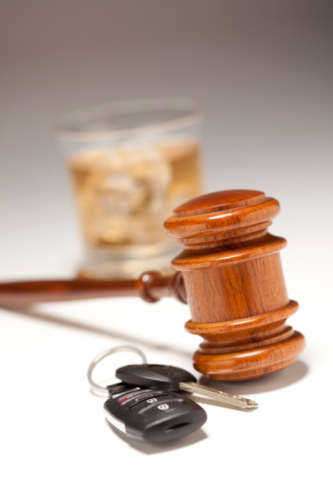
In general, criminal law and judicial authorities do not recognize intoxication as an adequate defense for criminal behavior. It is true that the consumption of alcohol is responsible for decreased inhibitions. When individuals are under the influence of drugs or alcohol they are much more likely to take part in activities in which they would not normally partake.
It is very common for intoxicated people to act on impulses and they often fail to consider the consequences of their actions. The chance that an individual will suffer from domestic violence increases a great deal when their partner consumes drugs or alcohol. It is also possible for an individual to consume so much alcohol that they are virtually unaware of the activities that they are participating in and they do not remember their behavior the following day.
Despite this, intoxication is not recognized as an acceptable criminal defense under most divisions of criminal law. The consumption of drugs or alcohol does not justify partaking in illegal activities, especially if the illegal act resulted in damage or injury to another person. However, utilizing intoxication as a criminal defense may nullify certain specific intent crimes.
Under criminal law, a specific intent crime requires the offender to have acted knowingly and to also have behaved with a certain purpose or intent. It is possible for a perpetrator to knowingly take part in illegal activities without any specific purpose. These crimes are known as general intent crimes.
Battery with the purpose of killing the victim is one example of a crime with specific intent. An intoxicated individual may take part in battery, but the court may find that due to the defendant's severe intoxication, the intent to kill the victim was nullified. Therefore, the defendant will only be charged with battery.
Murder is another example of a crime that has a specific intent. An intoxicated individual who is responsible for murder may be charged with manslaughter because the specific intent was deficient. When an individual voluntarily becomes so intoxicated that they have no understanding of the severity of their actions, they are acting negligently and carelessly.
While criminal law generally does not recognize intoxication as an acceptable defense to justify a crime, if a defendant can prove that they were intoxicated at the time of the crime they may be considered less culpable and receive a lighter sentence