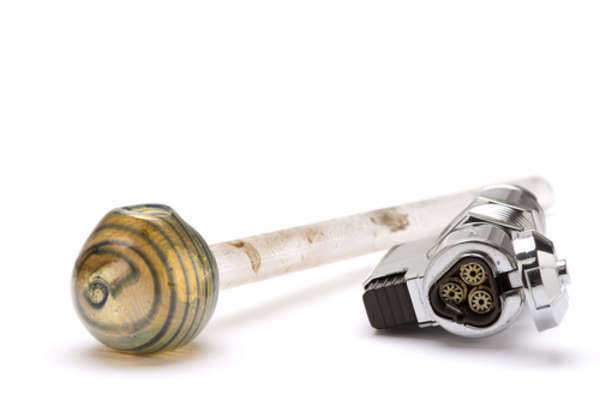
Meth Manufacturing
📅 2026 Update: Changes in Meth Manufacturing Laws
Since the original article on meth manufacturing, there have been important updates in federal laws and penalties. Notably, the U.S. Sentencing Commission made amendments to the federal sentencing guidelines that impact drug offenses.
These changes reflect evolving patterns in drug trafficking and legal considerations. The earlier article continues further down this page.
🕑 2026 Federal Sentencing Guidelines Amendment
The 2026 Federal Sentencing Guidelines Amendment will take effect on November 1, 2026. This amendment modifies how drug offenses are sentenced. It aims to address the changes in drug trafficking patterns seen in recent years.
💰 Current Federal Drug Conviction Fines
Under 21 U.S.C. § 841(b)(1)(A), fines for individuals convicted of manufacturing large amounts of controlled substances can reach up to $10,000,000. For entities other than individuals, fines can go as high as $50,000,000. These hefty penalties underscore the serious nature of drug manufacturing crimes, including meth production.
📝 DEA Registration and Processing
The Drug Enforcement Administration (DEA) oversees the registration and regulation of those handling controlled substances. Processing times for DEA registration can vary, so applicants are encouraged to provide complete documentation to avoid delays. Registrations must be renewed every three years, with renewal applications submitted at least 60 days before expiration.
📅 Cannabis Legal Status
As of October 2026, cannabis is still classified as a Schedule I controlled substance under federal law. This classification indicates a high potential for abuse and no accepted medical use. However, various states have legalized cannabis, creating a complex legal environment for its use and distribution.
📌 Key Points Summary
- Federal Sentencing Guidelines updated for drug offenses.
- Fines for manufacturing controlled substances can reach millions.
- DEA registration processing times vary; renewals required every three years.
- Cannabis remains a Schedule I substance under federal law despite state-level legalization.
💡 Tips for Navigating Meth Manufacturing Laws
Review the details of your situation with your attorney.
🏷️ Understand the New Sentencing Guidelines
Stay informed about the new sentencing guidelines effective November 1, 2026. These changes can significantly impact penalties for meth manufacturing and other drug offenses.
🏦 Be Aware of Fines
If charged with drug manufacturing, be prepared for potentially severe fines. Understand the specific section of the law that applies to your situation, as penalties can vary based on the amount involved.
📄 Keep Registration Current
If you handle controlled substances, ensure your DEA registration is up to date. Submit renewal applications early to avoid interruptions in your ability to legally manage these substances.
🔍 Know the Status of Cannabis
Be aware that cannabis remains illegal federally. Even if it's legal in your state, federal law still classifies it as a Schedule I substance, which can lead to complications if you're involved in its manufacturing or distribution.
📞 Utilize Free Resources
Consider reaching out to the Substance Abuse and Mental Health Services Administration (SAMHSA) for support. They offer confidential services for individuals facing substance use issues and can provide guidance.
🏆 Services Ranked by User Reviews (2026)
This section highlights services related to drug laws and penalties, particularly for those involved in meth manufacturing. The order follows Trustpilot data checked in October 2026. Ratings may change over time, and while scores are helpful, they don't tell the whole story, as unhappy customers often leave more reviews.
🥇 1. RushTranslate
RushTranslate has been rated 4.8. It is known for certified criminal record translations and fast turnaround times. However, some users report issues with customer service responsiveness.
This service can be valuable for individuals needing translations related to legal matters, including drug offenses.
🆓 Free Government Resources
The Substance Abuse and Mental Health Services Administration (SAMHSA) provides free, confidential information services for those facing substance use disorders. Their resources are available 24/7 in both English and Spanish. This can be a crucial support for individuals dealing with the repercussions of drug-related offenses.
🔎 Choosing the Right Service
- ⭐️ Trustpilot rating and review count.
- 📋 Specific services offered related to drug laws.
- 🌐 Customer service quality and responsiveness.
- 💵 Cost and availability of services.
- 🕒 Turnaround times for needed documentation or translations.
❓ Frequently Asked Questions
❓ What are the penalties for meth manufacturing?
Penalties for meth manufacturing include significant prison time and fines, based on the quantity produced and prior convictions. These can vary widely depending on the specifics of the case.
❓ How often do I need to renew my DEA registration?
DEA registrations must be renewed every three years. To avoid any issues, it's recommended to submit renewal applications at least 60 days before the registration expires.
❓ What is the process for DEA registration?
To register with the DEA, applicants must be authorized by state law to handle controlled substances and must not have felony convictions related to drugs. Complete documentation is key to avoiding processing delays.
❓ How does cannabis legalization affect drug laws?
Cannabis remains a Schedule I substance federally, despite state-level legalization. This duality creates a complex legal landscape for those involved in cannabis-related activities.
❓ What should I do if I face drug charges?
If facing drug charges, it's essential to understand the laws and potential penalties involved. Seeking professional legal guidance can help clarify your options and next steps.
❓ Where can I find support for substance abuse issues?
The Substance Abuse and Mental Health Services Administration (SAMHSA) offers free, confidential support services for individuals and families dealing with substance use disorders.
⚖️ Recent Cases Related to Drug Laws
Recent court rulings highlight the ongoing legal challenges surrounding meth manufacturing and drug trafficking. These cases provide insight into how courts are handling drug-related offenses under current laws.
- Ohio Court affirms drug possession convictions for StallworthOhio Court of Appeals · June 15, 2026
- Ohio Court upholds sexual predator classification for LortonOhio Court of Appeals · June 15, 2026
- Ohio Court affirms conviction in child sexual abuse caseOhio Court of Appeals · June 15, 2026
- Ohio Court of Appeals affirms drug possession convictionOhio Court of Appeals · June 15, 2026
For more details on recent rulings, visit more rulings on the news page.
End of October 2026 Update
The operation of a meth lab, which is a moniker given to a facility used to manufacture methamphetamine, is largely defined as meth manufacturing. A meth lab can be defined as any location in which large quantities of the drug are made through the chemical combination of the various ingredients used in meth manufacturing.
As opposed to the charges of methamphetamine usage or methamphetamine possession, math manufacturing carries with it a far more severe charge due to the large quantities of meth located within the meth lab. From a law enforcement standpoint, the presence of such a large quantity of any illegal, addictive substance constitutes an ‘intent to distribute’, which supersedes a ‘small quantity sales’ charge.
As a result, in addition to a possession charge, those involved in meth manufacturing can be susceptible to charges ranging from corruption of a minor, intent to distribute, smuggling, and illegal manufacturing. These charges will vary dependent on the quantity, the number of offenses, and the size of the operation.