The Truth About Life In Jail
📅 2026 Update: Changes in US Criminal Law and Procedure
Since the original article was written, there have been important updates in US criminal law and procedure. These changes affect how crimes are prosecuted, how defendants are treated, and the support available to those navigating the legal system. Readers can find the earlier article further down the page for additional context.
🏛️ Federal Sentencing Guidelines
In 2025, the United States Sentencing Commission made significant amendments to the Federal Sentencing Guidelines. These changes introduced new offense levels and adjusted sentencing ranges for various federal crimes. This means that the penalties for certain offenses may be stricter or more lenient than they were previously.
⚖️ State Criminal Procedure Reforms
Between 2024 and 2026, several states, including California and New York, enacted major reforms to their criminal procedures. These reforms focus on bail changes and the decriminalization of specific offenses. Such changes aim to reduce the number of people incarcerated for minor crimes and adjust how bail is set.
💰 Costs of Legal Services
The costs associated with federal bail bonds remain significant. Typically, they range from 10% to 15% of the total bail amount. Additionally, federal court filing fees for criminal cases are generally around $400, though they may vary by jurisdiction.
Understanding these costs is vital for anyone involved in the legal process.
⏳ Processing Times
In federal criminal cases, the average time from arrest to trial is approximately 12 months. However, this timeline can vary based on the complexity of the case and court schedules. For state criminal cases, processing times can range from a few months to over a year, depending on local court procedures and the nature of the offense.
📌 Key Points Summary
- 🏛️ Federal Sentencing Guidelines were amended in 2025, changing offense levels.
- ⚖️ Major state reforms in California and New York focus on bail and decriminalization.
- 💰 Federal bail bond costs range from 10% to 15% of the bail amount.
- ⏳ Federal cases average 12 months from arrest to trial; state cases vary widely.
💡 Tips for Navigating the Legal System
Review the specifics of your situation with an attorney to understand your options and rights.
📝 Understand Your Rights
Defendants have constitutional rights, including protection against unreasonable searches and seizures and the right to remain silent. Knowing these rights can help you during legal proceedings.
⏳ Be Aware of Deadlines
Pay attention to deadlines, such as the 14-day limit to file an appeal in federal cases. Missing these deadlines can impact your legal options.
🆓 Explore Free Legal Assistance
If eligible, you may receive free legal representation from public defenders or nonprofit organizations. These resources can provide vital support during criminal proceedings.
📄 Consider Plea Bargaining
Around 90 to 95 percent of criminal cases are resolved through plea bargaining. This means that defendants can sometimes negotiate a reduced sentence in exchange for a guilty plea.
💰 Understand Financial Obligations
Be aware of any restitution that may be ordered by the court. Offenders may need to compensate victims for their losses as part of their sentence.
🛡️ Know the Impact of a Criminal Record
A criminal conviction can lead to the loss of rights, such as voting or owning firearms. It may also affect your job opportunities, so consider the long-term implications.
🏆 Ranked by User Reviews (2026)
This section highlights services that can assist with legal matters related to criminal law. These services are ranked according to Trustpilot scores as of October 2026. Scores and reviews can change, and the ratings are just one part of the picture—unhappy customers often leave more feedback.
🥇 1. LegalShield
LegalShield has been rated 4.4. This service is known for its legal subscription offerings, which provide access to law firms and affordable legal assistance. However, some users have reported challenges with customer service and communication.
🥈 2. JustAnswer
JustAnswer holds a score of 4.6. This service is recognized for offering 24/7 expert consultations and a variety of professional services, including legal advice. Some reviewers have noted technical glitches and communication hurdles as potential drawbacks.
🥉 3. LegalZoom
LegalZoom averages 4.6. It is well-known for online legal document preparation and business formation services, which can be relevant for those facing legal issues. Occasional delays and navigation problems have been mentioned by users.
4️⃣ Rocket Lawyer
Rocket Lawyer has a Trustpilot score of 4.5. This platform is recognized for its online legal document creation and business formation services. Users have expressed concerns over its subscription model and occasional technical issues.
🆓 Free Legal Assistance Options
Eligible individuals can access free legal representation through public defenders and nonprofit organizations. These resources offer vital support for those navigating the criminal justice system without the means to hire private counsel.
🔎 Factors to Compare When Choosing Legal Services
- 📜 Service offerings: Look at what legal services are available.
- 💰 Cost: Understand the pricing structure and any hidden fees.
- ⭐ User reviews: Check Trustpilot scores and customer experiences.
- ⏳ Response time: Consider how quickly you can expect assistance.
- 🛡️ Customer support: Evaluate the quality of customer service provided.
❓ Frequently Asked Questions
🤔 What happens during an arraignment?
During an arraignment, the defendant is brought before a judge within 24 to 48 hours of arrest. They will be informed of the charges and must enter a plea.
🕒 How long do I have to file an appeal?
Defendants typically have 14 days from the entry of judgment to file an appeal in federal cases. It is important to adhere to this timeline to preserve your rights.
⚖️ What is the purpose of plea bargaining?
Plea bargaining allows for approximately 90 to 95 percent of cases to be settled before trial. It provides a way for defendants to negotiate a potentially lighter sentence.
💼 What are the costs of federal bail bonds?
The costs for federal bail bonds generally range from 10% to 15% of the total bail amount. Understanding these costs is crucial for individuals facing legal issues.
📅 How long does it take for a federal criminal case to go to trial?
The average time from arrest to trial in federal criminal cases is about 12 months. This duration can vary based on case complexity and court schedules.
📋 What are the consequences of a criminal conviction?
A criminal conviction can lead to the loss of rights, such as voting or gun ownership. It may also impact future employment opportunities and personal freedoms.
⚖️ Recent Cases and Updates
Recent court rulings have continued to shape the landscape of criminal law and procedure in the United States. These rulings are vital for understanding how legal standards evolve over time.
- New York court upholds conviction in attempted murder caseAppellate Division of the Supreme Court of the State of New York · June 17, 2026
- New York court upholds conviction in child exploitation caseAppellate Division of the Supreme Court of the State of New York · June 17, 2026
- New York court affirms conviction in People v. Argueta caseAppellate Division of the Supreme Court of the State of New York · June 17, 2026
- Ohio Court upholds prison sentences for Randell HammondsOhio Court of Appeals · June 17, 2026
For more details, feel free to check out more rulings on the news page.
End of October 2026 Update
A sentence of life in jail without the possibility of parole can be imposed on criminal defendants found guilty of serious offenses in the U.S. As such, life imprisonment terms can be imposed either for the nature of the offense, in particular the severity of the crime involved, or for the overall pattern of criminal behavior on the part of the defendant.
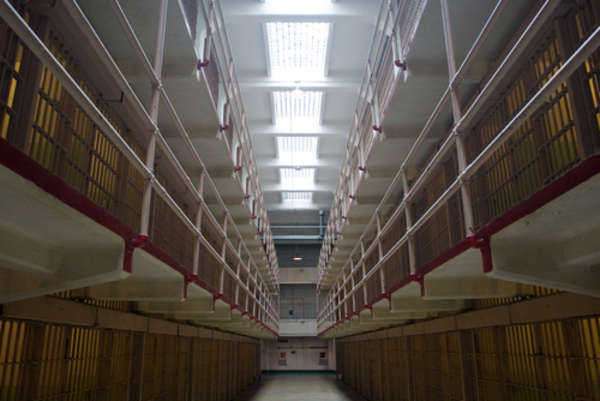
First degree murder convictions can be used to impose people with a sentence of life in jail. Life imprisonment crimes may be punished even more severely with the additional provision of the inability of parole being realized by the convicted individual. Moreover, life in jail might be required for certain kinds of criminal defendants who are found to be particularly important to organized crime activities, such as in the case of people recognized as “drug kingpins,” as well as those who are seen as habitual criminals.